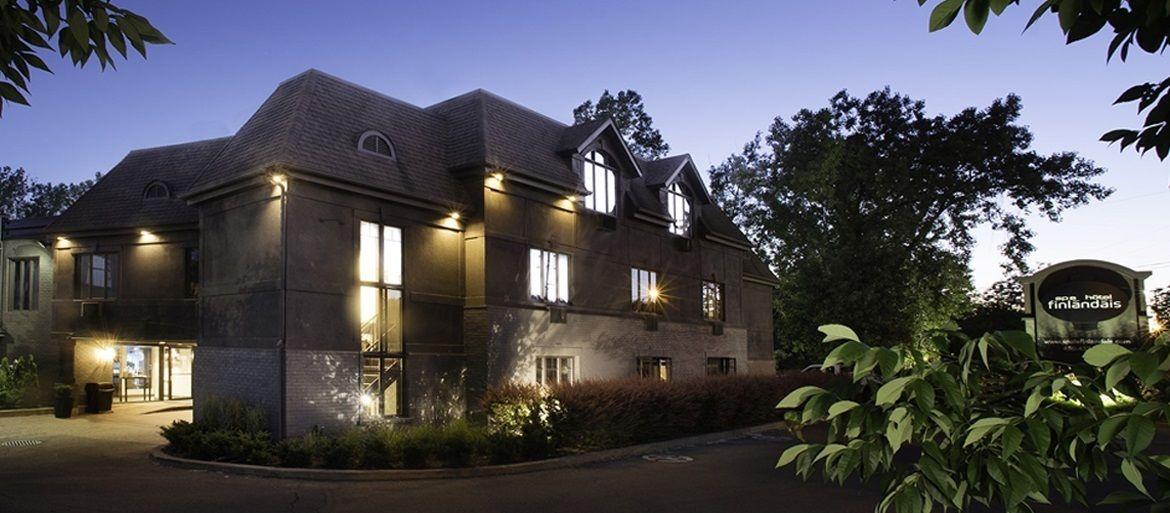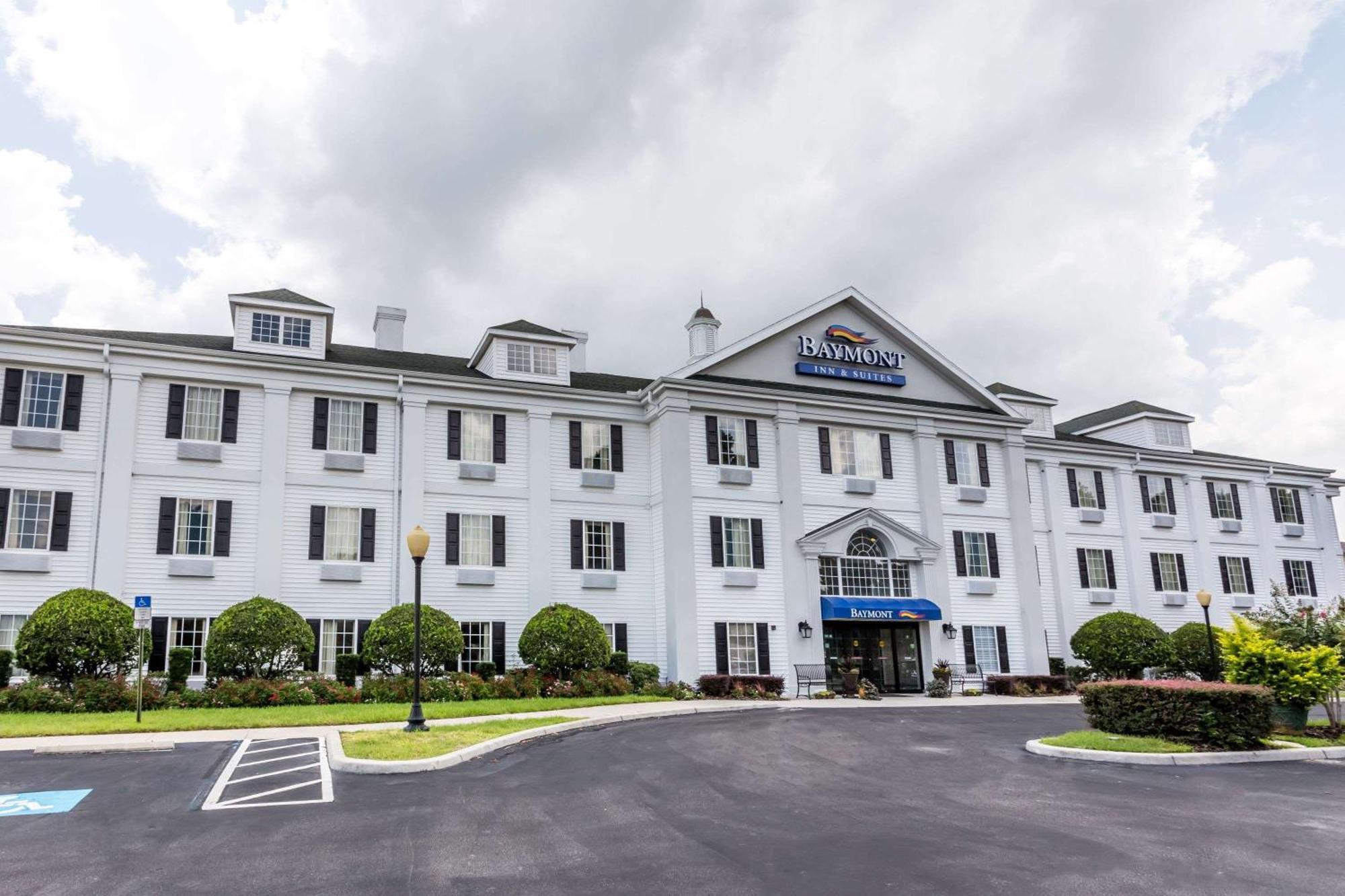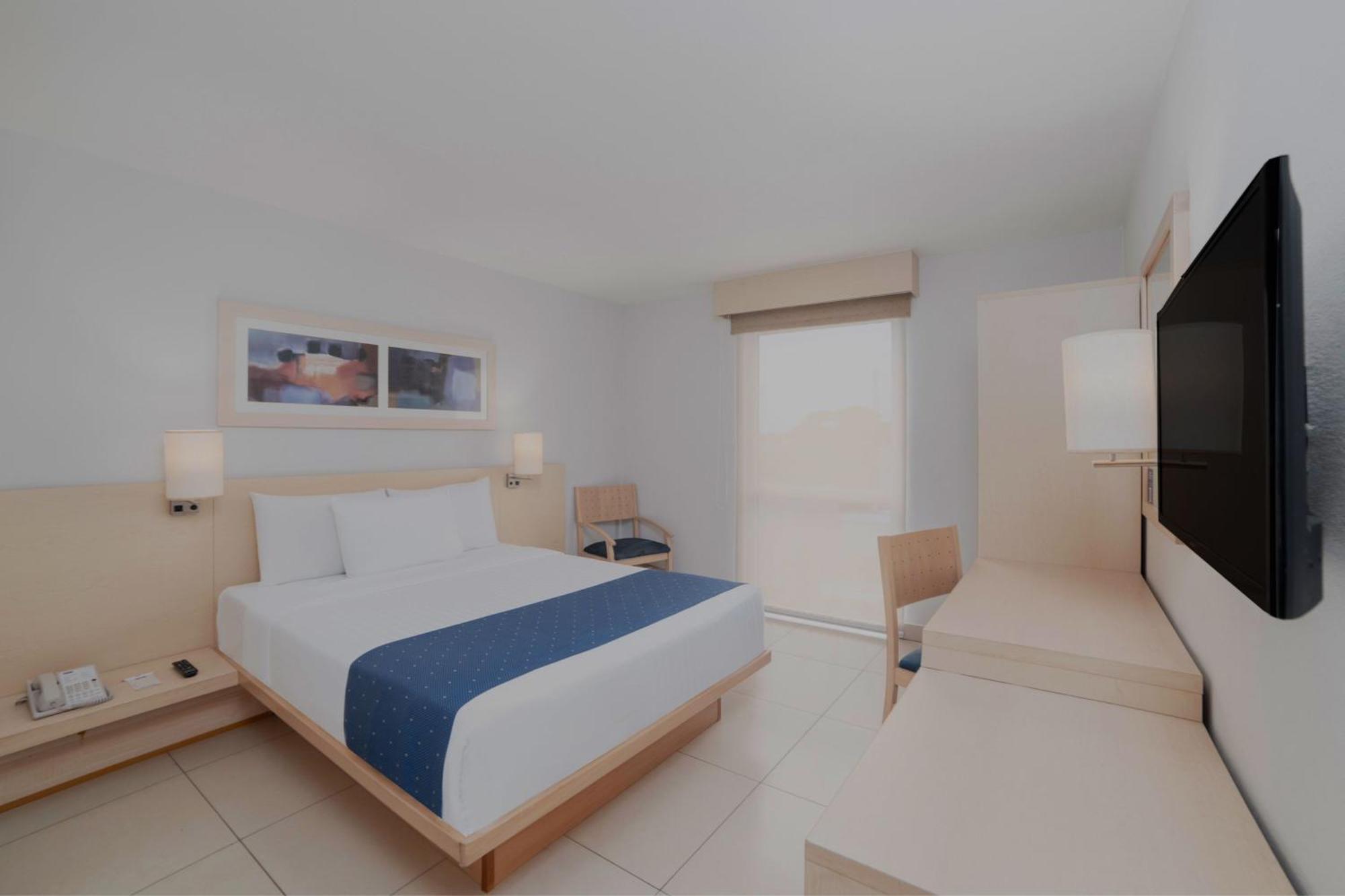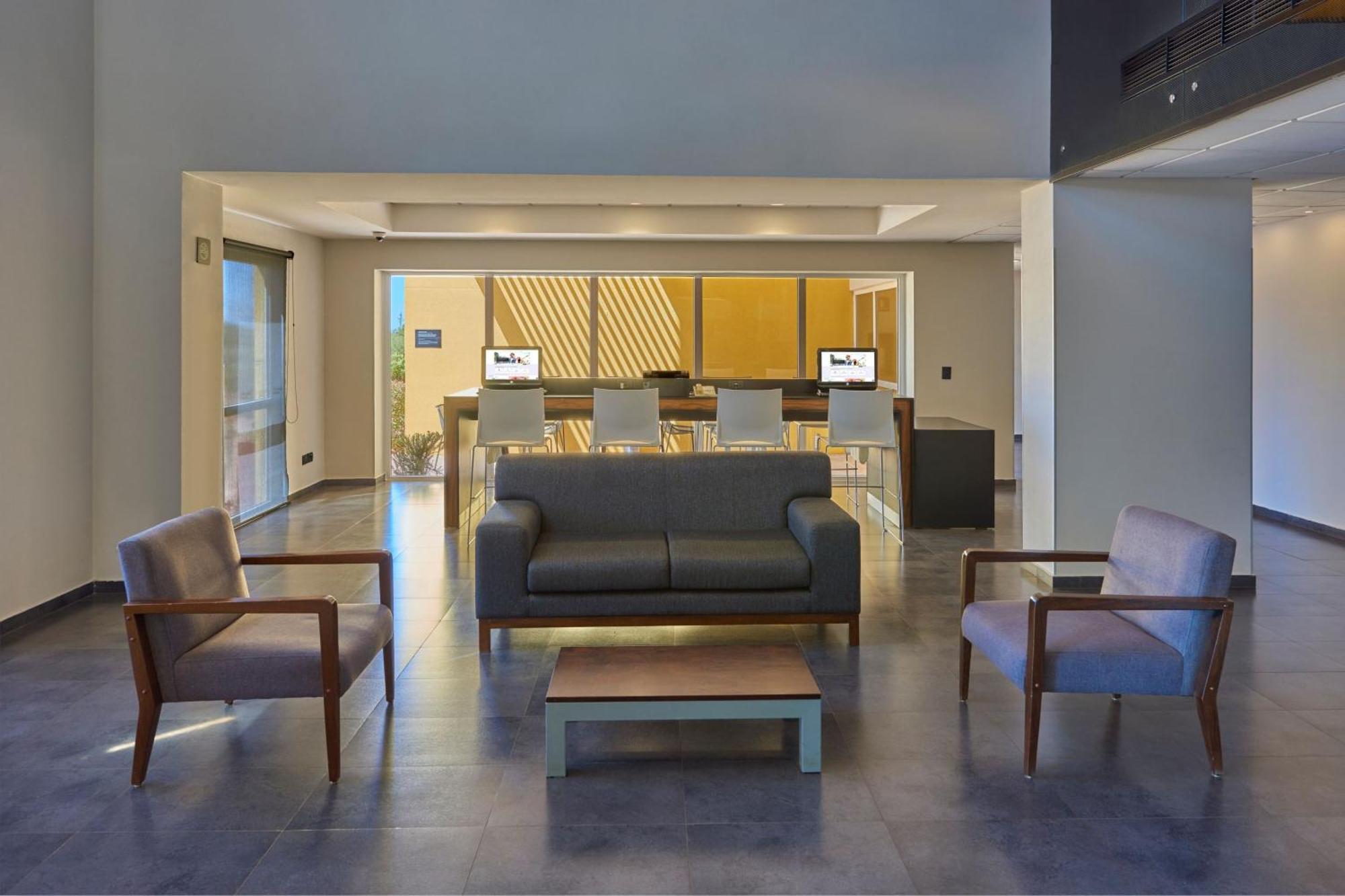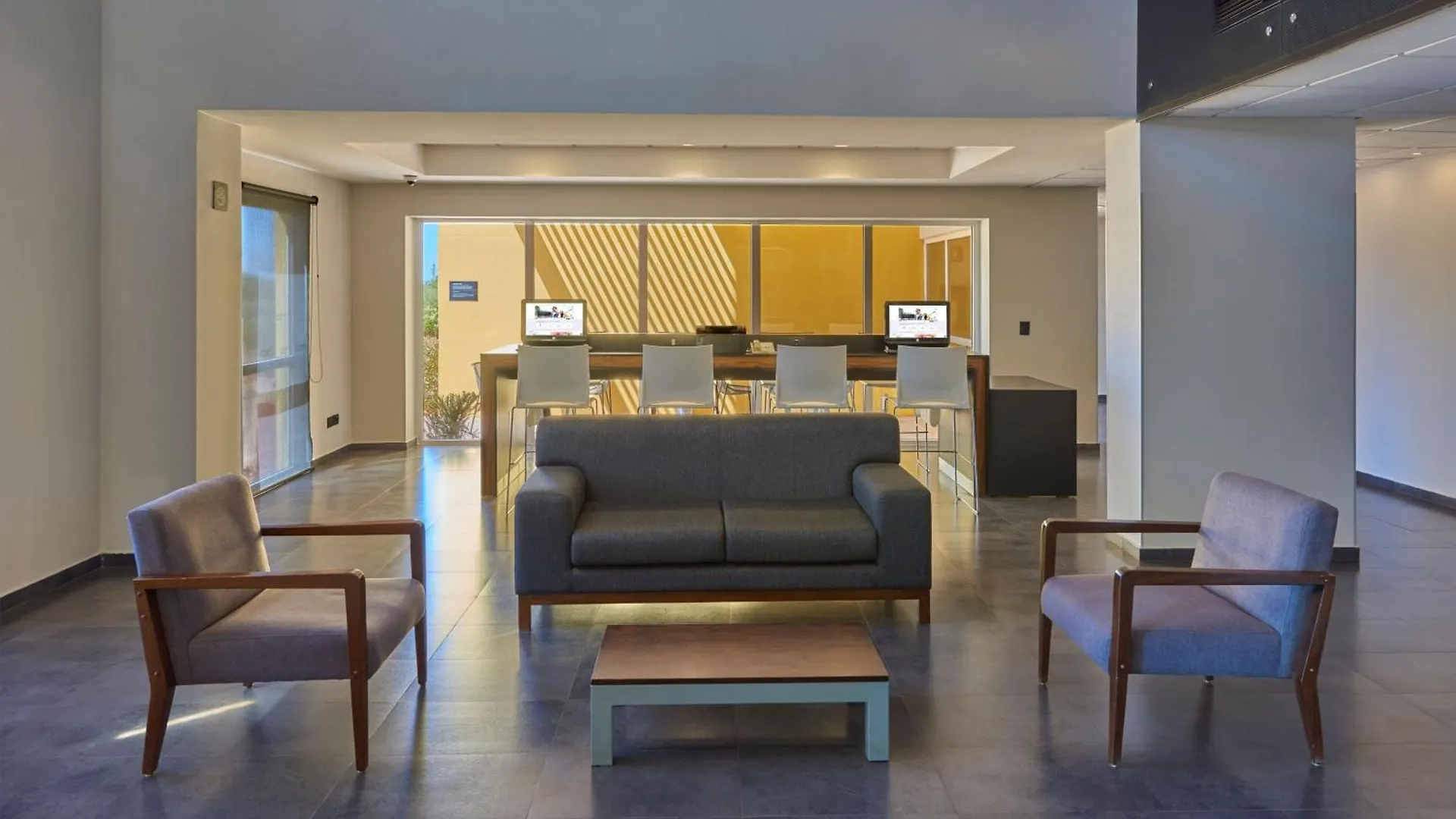
El Bajío - the highland corridor spanning Guadalajara, Querétaro, Aguascalientes, Salamanca, and León - is one of Mexico's most economically active and historically rich regions. Travelers here are not just sightseers; many are business visitors attending trade fairs, automotive industry meetings, or convention events, and 3-star hotels in El Bajío are built to serve exactly that mix. This guide compares five concrete options across the region's key cities to help you pick the right base without overpaying or undershooting your needs.
What It's Like Staying in El Bajío
El Bajío is a densely connected region where industrial parks sit alongside UNESCO-listed colonial centers, and inter-city travel by road takes under 2 hours between most major hubs. Querétaro, Aguascalientes, and Guadalajara each have functioning international airports, making regional hopping realistic. Crowds follow a clear business-week pattern - hotels fill from Tuesday through Thursday, especially near convention venues and industrial corridors, while weekends are significantly quieter outside festival periods like Aguascalientes' Feria Nacional.
Pros:
- Strong highway and airport infrastructure connecting all major Bajío cities efficiently
- Mix of colonial heritage and modern business districts means most hotels are within reach of both
- 3-star properties in El Bajío deliver consistent standards at lower price points than Mexico City equivalents
Cons:
- Business demand during midweek can push 3-star rates up sharply near convention centers
- Some cities like Salamanca lack a walkable tourist center, requiring a car or taxi for most activities
- Air quality in industrial cities such as Salamanca can be noticeably poor on certain days
Why Choose a 3-Star Hotel in El Bajío
Three-star hotels in El Bajío occupy a practical sweet spot: they offer business-ready infrastructure - desks, reliable WiFi, breakfast, parking - without the premium pricing of 4- or 5-star properties. Rates typically run around 30% lower than comparable 4-star hotels in the same cities, while room sizes remain functional for a 2-3 night business or leisure stay. The trade-off is usually in-room luxury - expect standard furnishings, limited spa facilities, and smaller common areas - but the core operational essentials are almost always present.
In El Bajío specifically, 3-star hotels cater heavily to business travelers attending trade shows, manufacturing site visits, and regional conferences, meaning amenities like business centers, free parking, and early breakfast service are standard, not optional extras.
Pros:
- Business center and free parking are consistently available across this category in the region
- Breakfast included options are common, reducing daily costs meaningfully on multi-night stays
- Well-positioned near both city centers and industrial zones, depending on the property
Cons:
- Room aesthetics are functional rather than distinctive - décor is rarely a selling point
- Limited on-site dining variety; most properties offer one restaurant at most
- Fewer leisure amenities compared to higher categories - pools are not always heated or available year-round
Practical Booking & Area Strategy in El Bajío
Querétaro's historic center is the most walkable base in the region - its UNESCO World Heritage Zone puts colonial monuments, restaurants, and plazas within a short walk of centrally located hotels. Guadalajara's southern corridor near the airport works well for short-stay travelers transiting or visiting Tequila via the Jose Cuervo Express, with Guadalajara Airport reachable in around 20 minutes from hotels like Aloft Guadalajara Sur. Aguascalientes is the best base during the Feria Nacional (late October-early November), when the city draws massive crowds and hotel availability drops sharply - book at least 6 weeks ahead for that window. Salamanca suits visitors with business near INFORUM Irapuato or the automotive industry corridor but offers little in terms of leisure tourism infrastructure. For first-time visitors to El Bajío with mixed itineraries, Querétaro or Aguascalientes provide the most balanced access to culture, food, and transport.
Best Value Stays
These properties offer strong operational fundamentals - parking, WiFi, breakfast, fitness access - at competitive price points, well-suited for business travelers or budget-conscious visitors to El Bajío.
-
1. City Express By Marriott Salamanca
Show on map


 Check-infrom 15:00 until 23:59Check-outuntil 13:00
Just a few rooms left at the best rate!
fromMXN 643
-
2. Hotel Real Plaza Aguascalientes
Show on map


 Check-infrom 14:00 until 22:00Check-outfrom 07:00 until 12:00
Just a few rooms left at the best rate!
fromMXN 625
-
3. Hotel Hidalgo
Show on map


 Check-infrom 15:00 until 23:59Check-outuntil 12:00
Hurry – almost gone at this price!
fromMXN 1094
Best Premium Stays
These properties step up with branded infrastructure, pool access, airport connectivity, and expanded food and beverage options - suited for travelers who want more than the basics without crossing into 4-star pricing.
-
4. Hilton Garden Inn Aguascalientes
Show on map


 Check-infrom 15:00 until 23:59Check-outfrom 07:00 until 12:00
Hurry – almost gone at this price!
fromMXN 1893
-
5. Aloft By Marriott Guadalajara Sur
Show on map


 Check-infrom 15:00 until 23:59Check-outuntil 12:00
Rooms filling fast – secure the best rate!
fromMXN 1563
Smart Timing & Booking Advice for El Bajío
El Bajío has two clearly distinct demand peaks: the Feria Nacional de San Marcos in Aguascalientes (late April-early May) and Guadalajara's international events calendar, which generates consistent midweek demand year-round. Book at least 6 weeks ahead for Feria Nacional dates - 3-star inventory in Aguascalientes sells out entirely, and rates spike significantly compared to off-peak months. Querétaro maintains steadier pricing throughout the year thanks to its business-traveler base, making it the most last-minute-friendly city in the region. For Guadalajara, avoid booking less than 2 weeks out when major trade events at Expo Guadalajara are scheduled. A stay of 2 nights is the practical minimum to meaningfully explore any single Bajío city; 3 nights suits a multi-site visit combining, for example, Querétaro's historic center with a day trip to San Miguel de Allende. The dry, temperate climate between October and March makes this the most comfortable travel window across the entire region, with lower humidity and clear skies compared to the June-August rainy season.