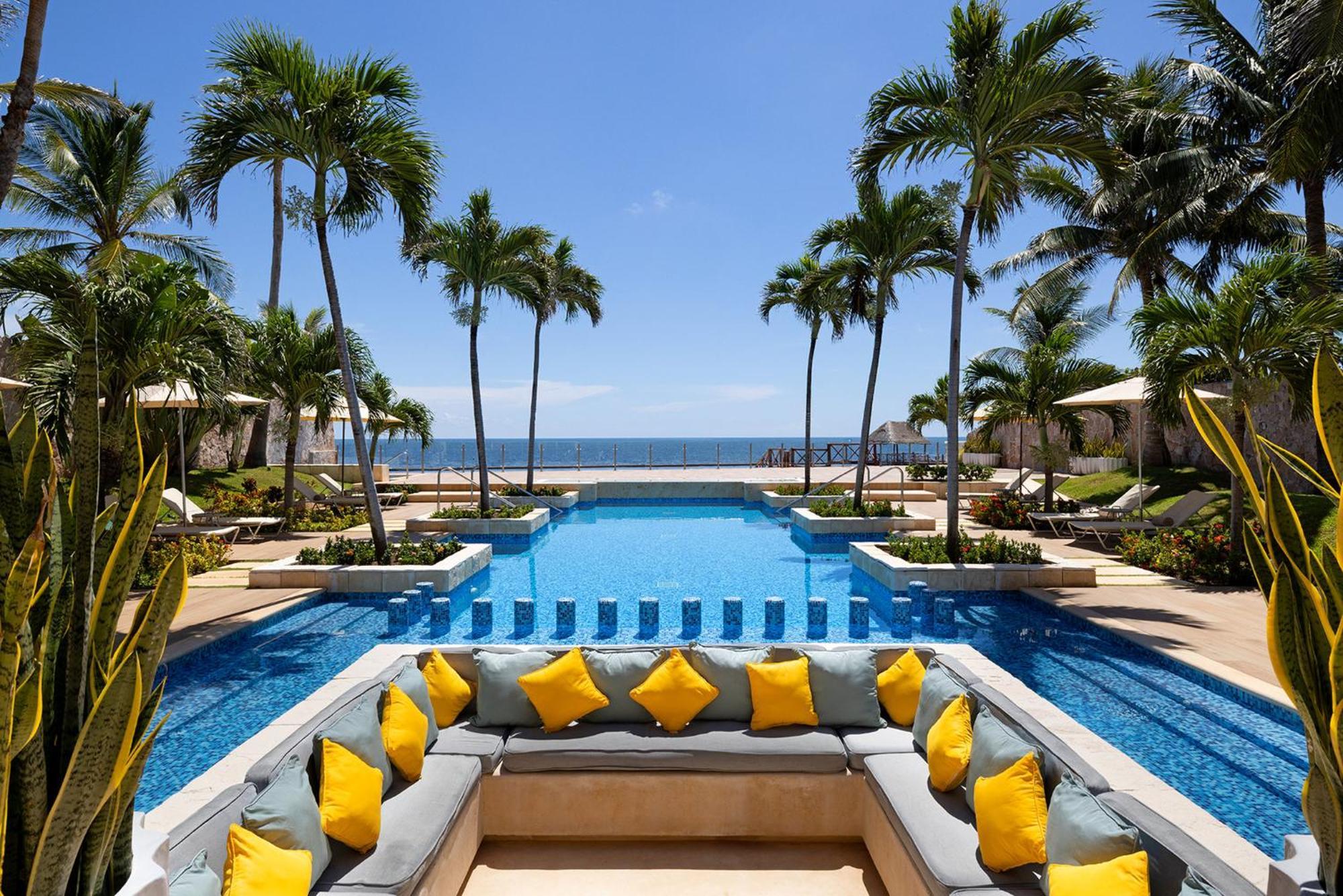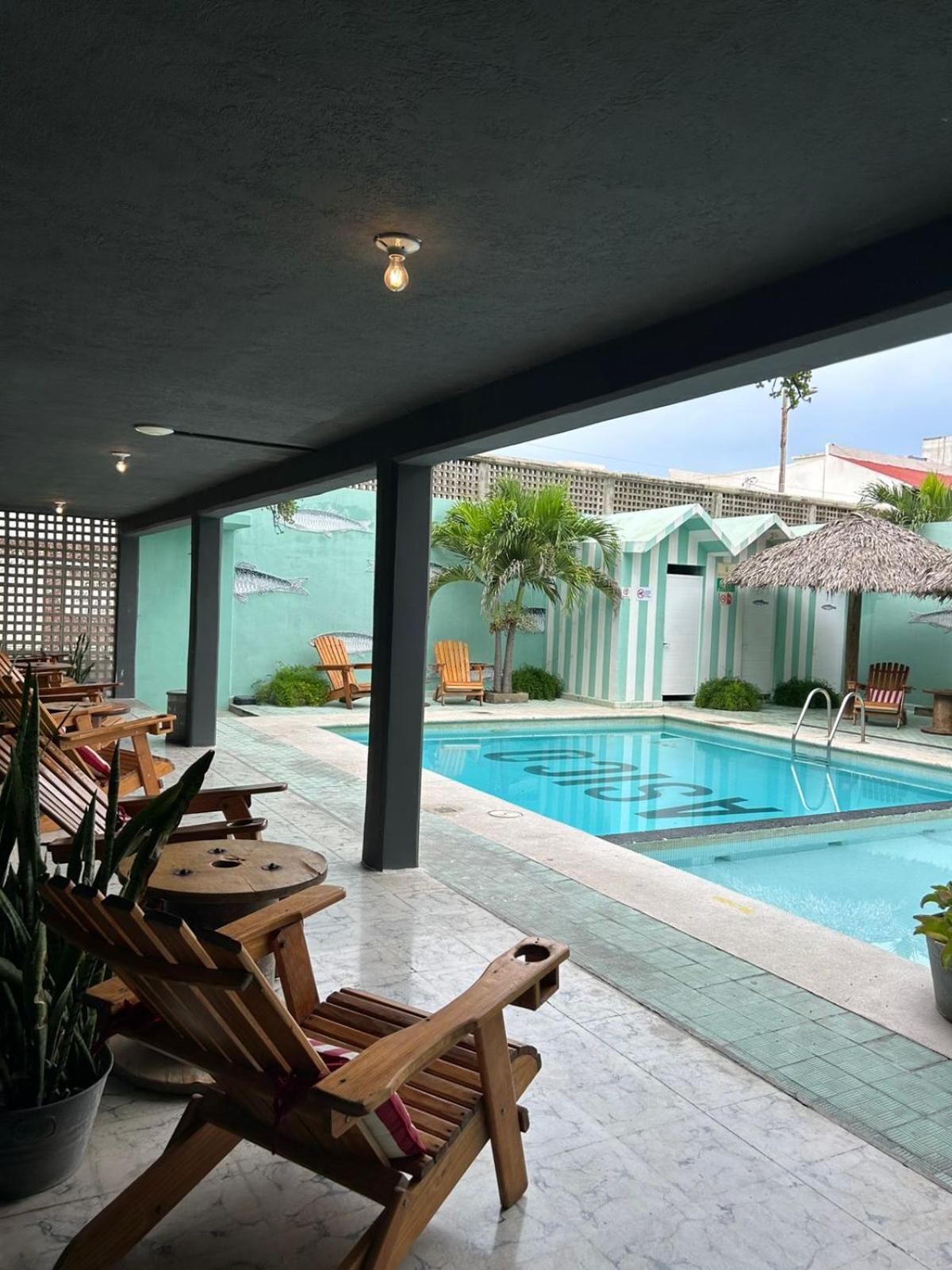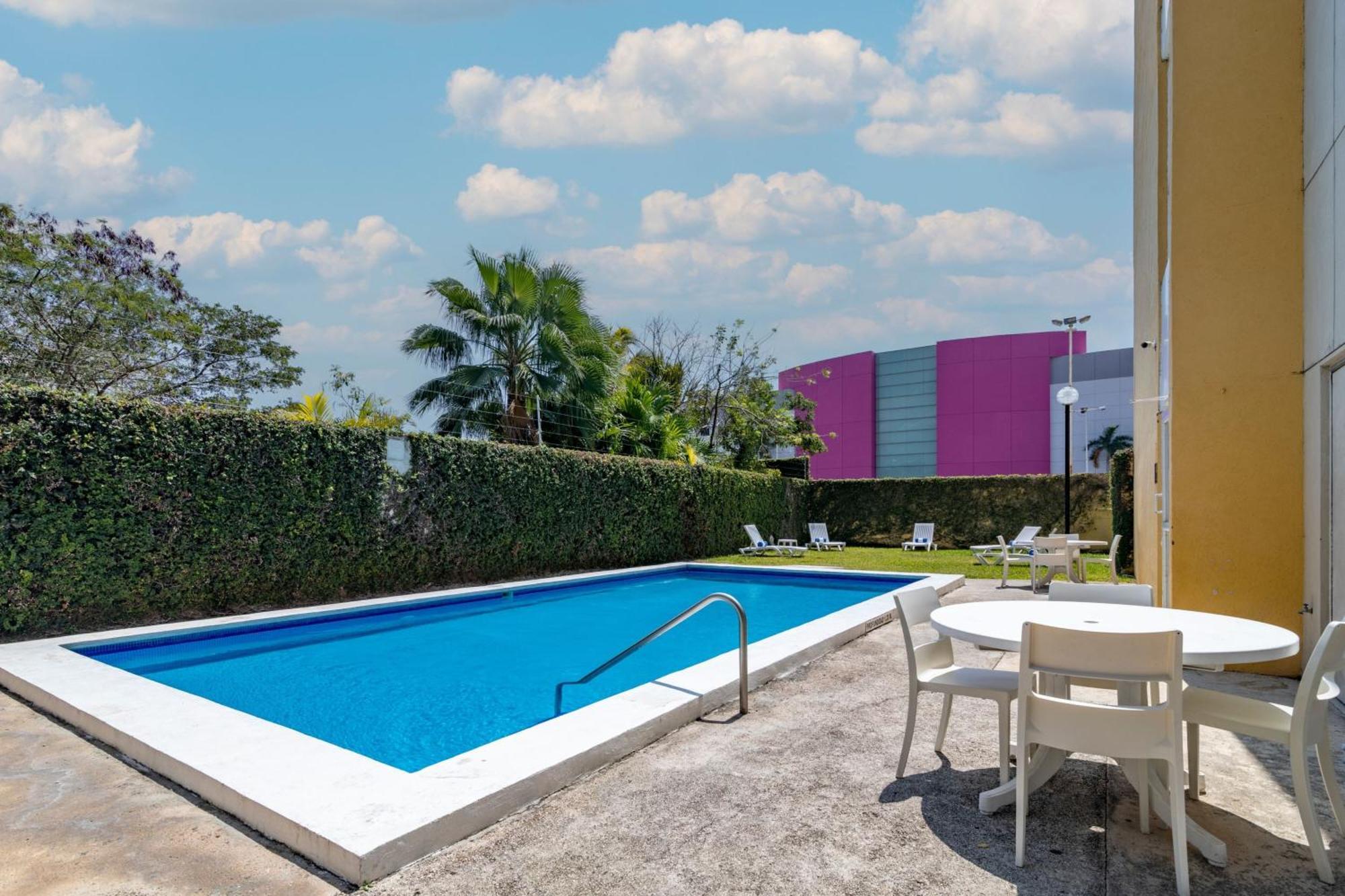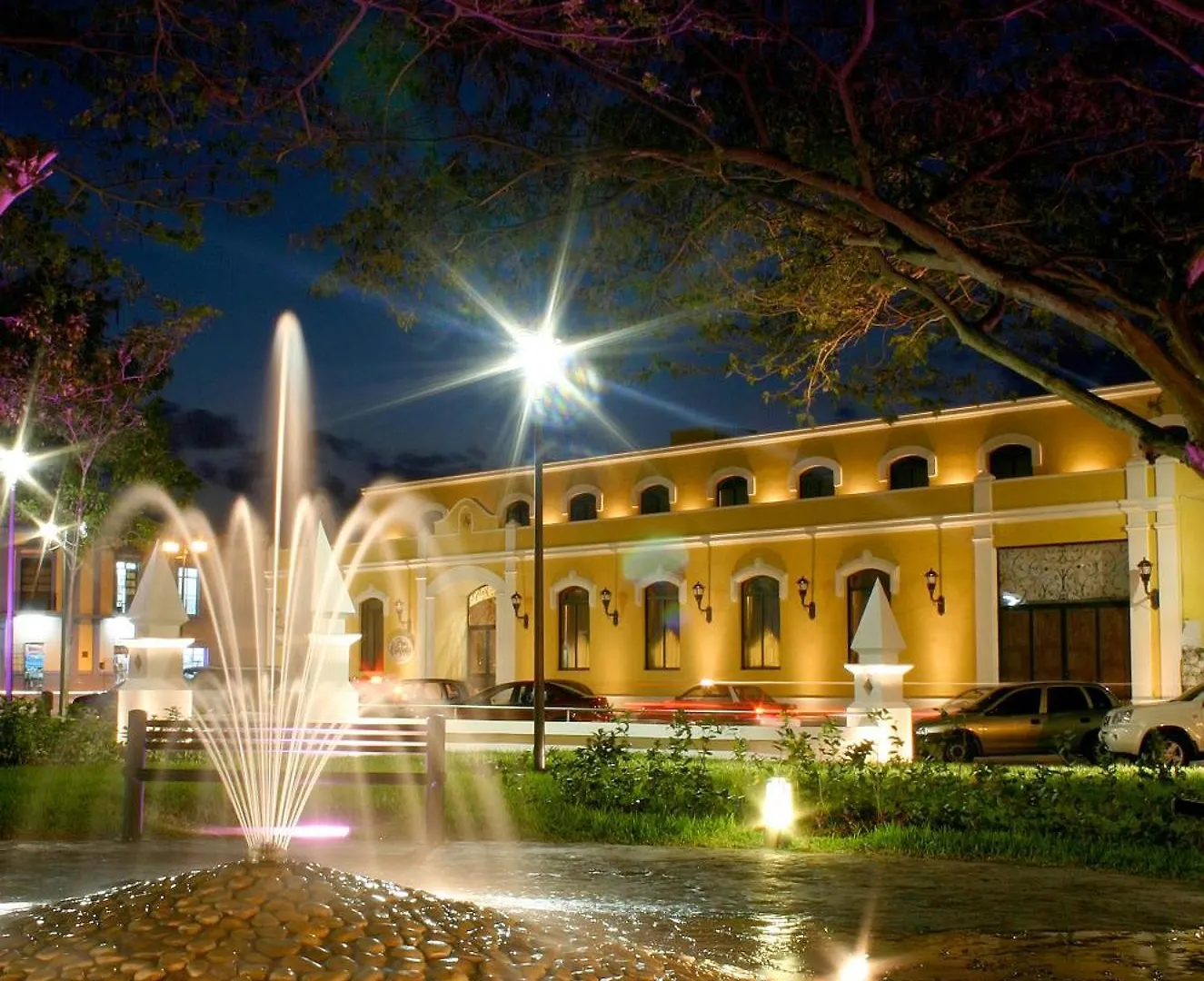
The Yucatan Peninsula stretches across three Mexican states - Yucatán, Campeche, and Quintana Roo - covering colonial cities, Caribbean coastline, cenotes, and Maya archaeological zones within a single road trip. Staying at a 4-star hotel here means accessing the region's most diverse destinations with a reliable standard of comfort, whether you're arriving at Cancún International Airport or heading inland to Valladolid and Bacalar.
What It's Like Staying in Yucatan Peninsula Mexico
The Yucatan Peninsula is one of Mexico's most geographically varied travel zones, where a two-hour drive can take you from Cancún's hotel strip to a UNESCO-listed colonial city or a turquoise lagoon. Transport between cities relies almost entirely on ADO buses or private transfers, as no intercity rail exists, meaning your hotel's location directly shapes how much you'll spend on daily logistics. Coastal areas like Playa del Carmen and Cancún draw the heaviest tourist traffic from December through April, while interior cities like Campeche and Valladolid attract a more independent, slower-paced traveler profile.
Pros:
- Extraordinary geographic diversity - Caribbean coast, Maya ruins, colonial cities, and cenotes all within one trip
- Well-developed 4-star hotel infrastructure across multiple cities, providing consistent comfort without luxury-price premiums
- Strong domestic and international airport connectivity via Cancún, Campeche, and Tulum International airports
Cons:
- No intercity rail - long-distance travel between destinations requires bus planning or paid transfers
- Coastal areas surge in price and crowds during peak winter season, squeezing availability fast
- Humidity from May through October can be intense, especially in inland cities without coastal breezes
Why Choose 4-Star Hotels in Yucatan Peninsula Mexico
In the Yucatan Peninsula, 4-star hotels occupy a particularly strong value position - they consistently deliver air conditioning, private pools, free Wi-Fi, and structured breakfast options at rates that sit well below comparable Caribbean resort pricing. Room sizes in 4-star properties here tend to be larger than equivalent European counterparts, often including balconies, minibars, and coffee machines as standard rather than as paid upgrades. The trade-off is that some 4-star properties in secondary cities like Campeche or Bacalar operate at a slower service pace than chain hotels in Cancún, which may affect guests expecting resort-style responsiveness around the clock.
Pros:
- Consistent amenities - pools, free parking, airport transfers, and room service appear across around 80% of 4-star properties in the region
- Boutique 4-star options in Valladolid and Bacalar offer personalized character without sacrificing comfort standards
- Breakfast inclusion is common, reducing daily meal costs significantly in destinations where restaurant prices vary widely
Cons:
- Airport-adjacent 4-star hotels in Cancún can feel isolated from the city's main dining and nightlife areas
- Boutique 4-star properties in smaller towns may have limited on-site facilities compared to chain-branded alternatives
- Advance booking is essential during December-April high season, as quality 4-star rooms in Playa del Carmen and Valladolid sell out weeks ahead
Practical Booking & Area Strategy
Positioning yourself strategically across the Yucatan Peninsula makes a significant logistical difference. Cancún works best as an arrival and departure base thanks to its proximity to the international airport and ADO bus connections to Playa del Carmen, Tulum, and Valladolid. Campeche's historic center is compact and walkable - most colonial monuments, the cathedral, and the seafront malecón sit within a 10-minute walk of central hotels, making it one of the most pedestrian-friendly cities in the region. Bacalar, centered around its famous Lagoon of Seven Colors, rewards guests who book lakeside-adjacent hotels at least 3 weeks ahead during winter, as its limited room stock tightens quickly. Valladolid serves as a practical mid-point base between Cancún and Chichén Itzá - the archaeological site lies around 45 kilometers west - making overnight stays there far more efficient than day-tripping from the coast. Key attractions worth building your itinerary around include Chichén Itzá, the Sian Ka'an Biosphere Reserve, the Uxmal Maya ruins near Mérida, and cenote networks across the Riviera Maya corridor.
Best Value 4-Star Hotels
These properties deliver strong amenity sets and well-located access points across the peninsula at competitive price positioning, covering Campeche's historic core, Cancún's airport corridor, Playa del Carmen, and Bacalar's lagoon zone.
-
1. Hotel Plaza Campeche
Show on map


 Check-infrom 15:00 until 23:59Check-outfrom 11:00 until 12:00
Just a few rooms left at the best rate!
fromMXN 1424
-
2. Hotel Lopez Campeche
Show on map


 Check-infrom 15:00 until 23:59Check-outuntil 12:00
Just a few rooms left at the best rate!
fromMXN 1303
-
3. Fairfield Inn & Suites By Marriott Cancun Airport
Show on map


 Check-infrom 15:00 until 23:59Check-outuntil 12:00
Just a few rooms left at the best rate!
fromMXN 1198
-
4. Heaven Hotel
Show on map


 Check-infrom 15:00 until 18:00Check-outfrom 11:00 until 12:00
Hurry – almost gone at this price!
fromMXN 816
-
5. Akalki Hotel Y Centro Holistico
Show on map


 Check-infrom 15:00 until 23:59Check-outuntil 12:00
Hurry – almost gone at this price!
fromMXN 5610
Best Premium 4-Star Boutique Hotels
These two boutique properties in Valladolid represent the peninsula's strongest offering for travelers prioritizing design, atmosphere, and curated amenities in an interior colonial city setting.
-
1. Casa Valladolid Boutique Hotel
Show on map


 Check-infrom 15:00 until 23:59Check-outuntil 12:00
Rooms filling fast – secure the best rate!
fromMXN 1025
-
2. Le Muuch Hotel Boutique
Show on map


 Check-infrom 15:00 until 23:00Check-outfrom 09:00 until 11:00
Rooms filling fast – secure the best rate!
fromMXN 1112
Smart Travel & Timing Advice for the Yucatan Peninsula
The Yucatan Peninsula operates on a clear two-season demand pattern that directly affects both hotel availability and daily comfort. December through March is the driest and most comfortable period, with low humidity and temperatures staying manageable - but it is also when coastal properties in Cancún, Playa del Carmen, and Tulum reach their highest occupancy levels, and 4-star rooms in prime locations can sell out more than 6 weeks ahead. Interior cities like Campeche, Valladolid, and Bacalar see noticeably less seasonal price inflation than coastal resorts, making them a stronger value play during the same high-demand window. April and May sit in a transitional zone - still dry but increasingly hot - while June through October brings rain and occasional tropical storm risk, particularly along the Caribbean-facing coastline of Quintana Roo. Shoulder season in November and late April offers the best combination of reasonable pricing, thinner crowds at archaeological sites, and still-functional beach and lagoon conditions. For Chichén Itzá and Uxmal, arriving before 9 AM is the single most impactful logistical decision regardless of season - both sites are overwhelmed by group tours by mid-morning.