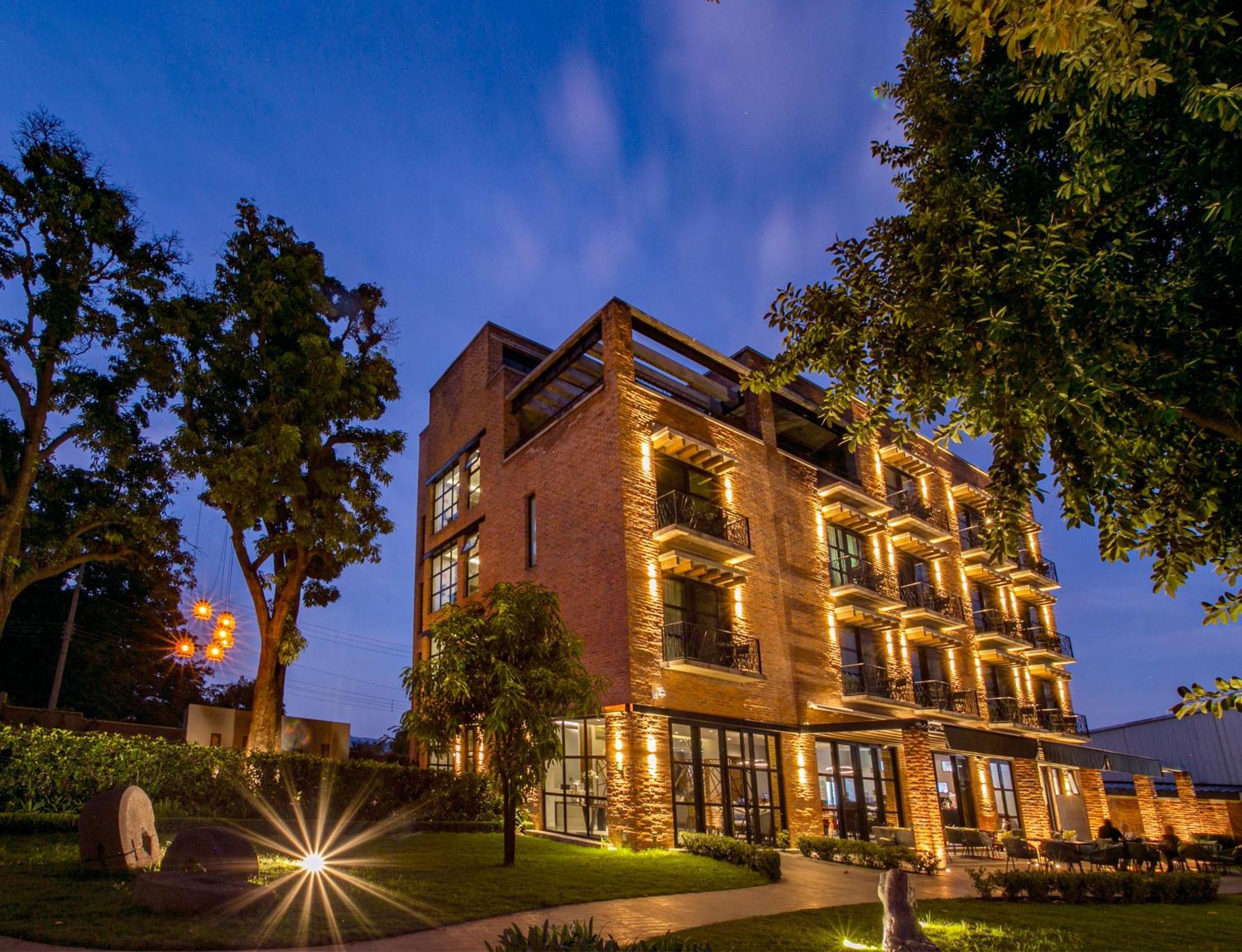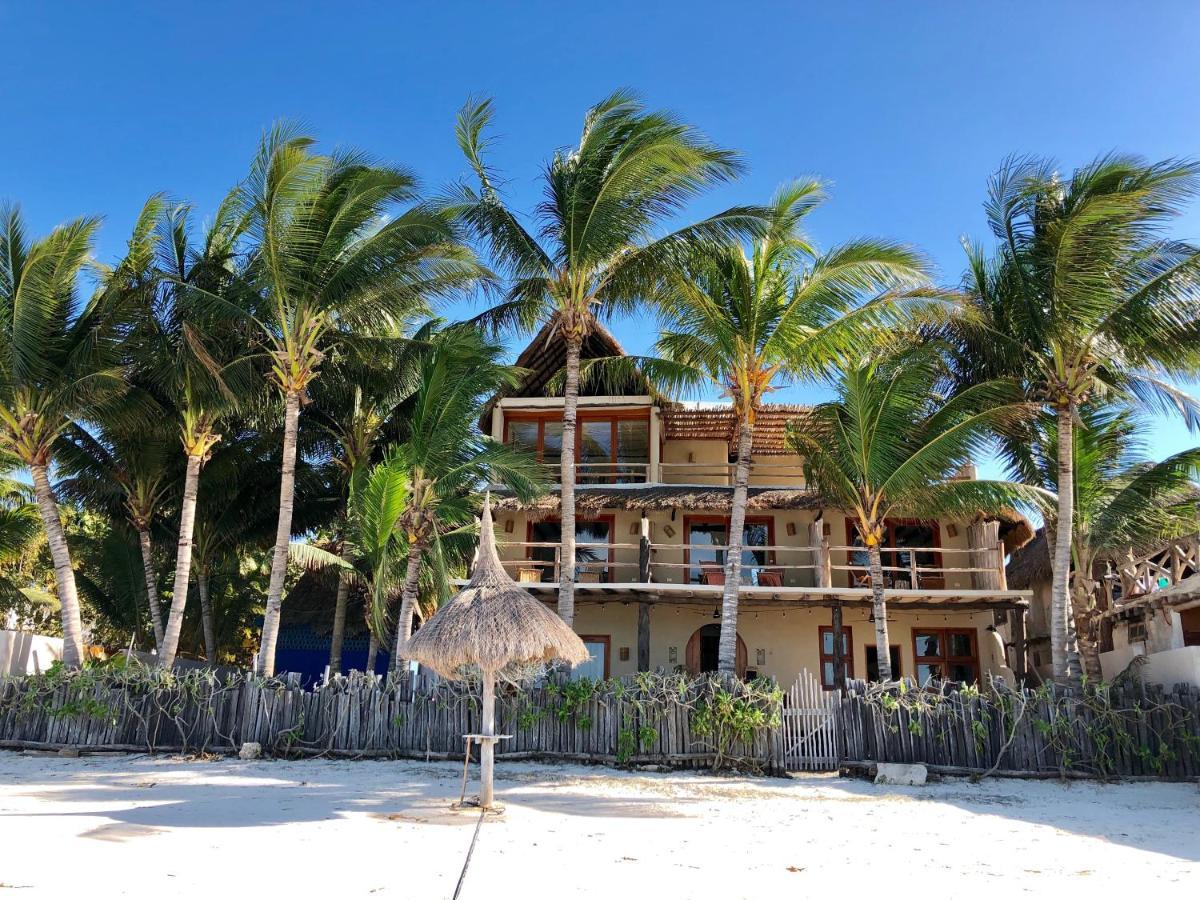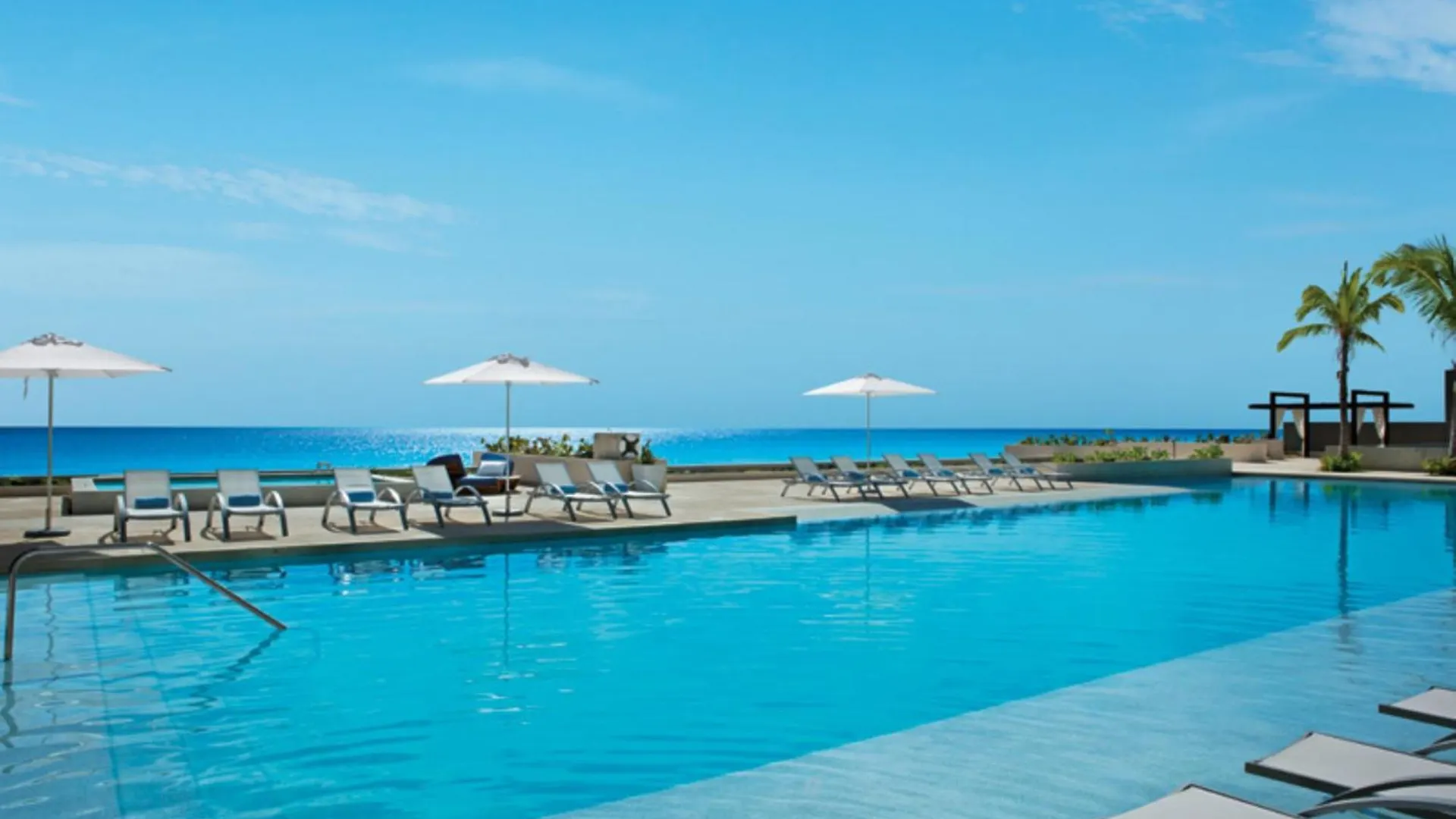
When booking hotels in Mexico, location can make or break a trip. Whether you're navigating Mexico City's sprawling districts, positioning yourself steps from Cancún's beach zone, or finding a base near Oaxaca's historic centre, where you sleep determines how much you actually see. This guide covers 14 hotels across Mexico with standout location ratings, helping you match the right property to your destination, travel style, and daily itinerary - without wasting time on logistics once you arrive.
What It's Like Staying in Mexico
Mexico is one of the most geographically and culturally diverse countries in the Americas, spanning Caribbean coastlines, Pacific resort corridors, highland colonial cities, and ancient Mesoamerican archaeological zones - all within a single country. Crowd patterns vary sharply by region: coastal destinations like Cancún and Playa del Carmen peak between December and April, while cities like Oaxaca and Mexico City draw visitors year-round with cultural festivals and urban tourism. Choosing the right base significantly affects how much ground you cover, especially given Mexico's size and the variable quality of intercity transport.
Travelers who benefit most from staying in Mexico are those who enjoy layered experiences - beach access one day, pre-Hispanic ruins the next - along with food-focused visitors drawn to some of the most regionally distinct cuisines in the world. Those who prefer compact, walkable destinations with well-integrated public transit may find certain Mexican cities, particularly sprawling urban centres like Guadalajara or Mexico City, require more planning around transport. Around 40% of international visitors to Mexico concentrate in Quintana Roo (Cancún, Playa del Carmen, Tulum), which means other regions remain notably less crowded and often better value.
Pros:
- Extreme regional variety - Pacific, Caribbean, colonial highlands, and jungle destinations all accessible within one country
- Many historic city centres are compact and walkable, reducing reliance on taxis or rideshares
- Strong budget-to-luxury spectrum, with genuinely high-value mid-range hotels across most regions
Cons:
- Long domestic transfer times between regions - coastal-to-city combinations often require a full travel day
- Peak-season coastal areas suffer from significant price inflation and overbooked amenities
- Safety conditions vary significantly by city and neighbourhood, requiring destination-specific research before booking
Why Location Rating Matters When Choosing Hotels in Mexico
In Mexico, a high location rating on booking platforms typically signals that a hotel sits within walking distance of major landmarks, transport nodes, or beach access - all of which directly reduce your daily logistical overhead. Hotels in Mexico City's Historic Centre or Oaxaca's city core allow guests to walk to cathedrals, markets, and restaurants without relying on Uber or taxis, which adds up quickly across a multi-day stay. In coastal zones, a top location score usually means direct beach access or proximity to the main pedestrian strip, where the difference of even 500 metres can mean the gap between walking to dinner and taking a cab every night.
Hotels in Mexico with strong location scores are not always the most expensive - several mid-range and boutique properties in colonial city centres consistently outperform larger all-inclusive resorts on location metrics precisely because they're embedded in the urban fabric rather than isolated in hotel zones. Expect a price premium of around 20% for centrally located hotels in high-demand cities like Oaxaca or Chihuahua versus properties on the outskirts with similar star ratings. In resort areas, beachfront access drives location scores more than urban proximity, so the metric means something different depending on the destination type.
Pros:
- Walking access to key attractions reduces daily transport costs and planning complexity
- Central hotels in Mexican colonial cities place guests near the best local restaurants, markets, and cultural sites
- High location ratings correlate strongly with lower noise complaints in historic districts where traffic is restricted
Cons:
- Centrally located hotels in popular zones - especially Playa del Carmen's 5th Avenue corridor - can suffer from nightlife noise late into the evening
- Beachfront hotels with top location scores in Cancún or Ixtapa often sit far from city infrastructure, requiring a car or shuttle for non-beach activities
- High-location boutique hotels in Mexico's colonial cities often have limited parking, making them impractical for road-trip itineraries
Practical Area & Booking Strategy for Mexico
Mexico's destinations broadly split into three travel contexts: coastal resort zones (Cancún, Playa del Carmen, Ixtapa, Los Cabos), colonial highland cities (Oaxaca, Guadalajara, Chihuahua, Pátzcuaro), and major urban centres (Mexico City, Villahermosa). For first-time visitors to Mexico City, staying in the Historic Centre or Roma Norte puts you within walking distance of the Zócalo, Palacio de Bellas Artes, and dozens of world-class restaurants - avoiding the need to navigate the metro system from day one. On the Pacific coast, Lo de Marcos (near Puerto Vallarta) and Ixtapa offer quieter, less commercialised alternatives to the main resort strips, with significantly lower crowd density outside of Christmas and Easter weeks.
Booking windows matter more in Mexico than in most destinations: coastal hotels during the December-April high season in Quintana Roo and Los Cabos fill up fast, and rates can spike sharply for last-minute reservations. For colonial cities like Oaxaca, the Day of the Dead festival in late October and early November creates one of Mexico's most congested booking periods - properties within walking distance of the zócalo are typically fully reserved 8 weeks in advance. Transport connections vary: Mexico City's Benito Juárez Airport links efficiently to the Historic Centre via metro or taxi, while regional airports in cities like Durango or Villahermosa rely more on rental cars or paid hotel shuttles for convenient access.
Best-Located Hotels on Mexico's Coasts
Mexico's coastal properties with top location scores tend to sit either directly on the beach or within walking distance of the main marina, pedestrian strip, or bay - eliminating the shuttle dependency that defines many hotel-zone resorts.
-
1. Secrets The Vine Cancun (Adults Only)
Show on map


 Check-infrom 15:00 until 23:59Check-outuntil 12:00
Rooms filling fast – secure the best rate!
fromMXN 4996
-
2. Emporio Ixtapa
Show on map


 Check-infrom 15:00 until 23:59Check-outuntil 12:00
Hurry – almost gone at this price!
fromMXN 1898
-
3. Punta Monterrey
Show on map


 Check-infrom 15:00 until 22:00Check-outfrom 09:00 until 12:00
Best price guarantee
fromMXN 8095
-
4. Casa Luna Bonita
Show on map


 Check-infrom 15:00 until 21:00Check-outuntil 12:00
Hurry – almost gone at this price!
fromMXN 453
-
5. Hotel Amainah Bacalar Adults Only
Show on map


 Check-infrom 15:00 until 23:00Check-outfrom 12:00 until 13:00
Just a few rooms left at the best rate!
fromMXN 3255
-
6. Magic Blue Spa Boutique Hotel Adults Only
Show on map


 Check-infrom 15:00 until 23:59Check-outuntil 12:00
Best price guarantee
fromMXN 1166
Best-Located Hotels in Mexico's Colonial Cities & Urban Centres
Mexico's colonial cities and major urban centres reward guests who stay centrally - walking access to zócalos, markets, and historic architecture is the primary driver of high location scores in these destinations, where traffic and urban sprawl make peripheral hotels genuinely inconvenient.
-
1. Hotel Catedral
Show on map


 Check-infrom 15:00 until 23:30Check-outfrom 07:00 until 13:00
Just a few rooms left at the best rate!
fromMXN 1863
-
2. La Valise Mexico City, Member Of Small Luxury Hotels
Show on map


 Check-infrom 15:00 until 23:59Check-outuntil 12:00
Best price guarantee
fromMXN 29142
-
9. Hotel Rivera
Show on map


 Check-infrom 15:00 until 23:59Check-outuntil 12:00
Hurry – almost gone at this price!
fromMXN 366
-
4. Central Hotel Boutique
Show on map


 Check-infrom 15:00 until 23:00Check-outfrom 06:00 until 12:00
Rooms filling fast – secure the best rate!
fromMXN 2211
-
5. Hotel Gobernador
Show on map


 Check-infrom 15:00 until 23:30Check-outuntil 12:00
Rooms filling fast – secure the best rate!
fromMXN 1027
-
6. Candlewood Suites - Guadalajara Galerias By Ihg
Show on map


 Check-infrom 15:00 until 23:59Check-outuntil 12:00
Just a few rooms left at the best rate!
fromMXN 1480
-
7. Courtyard By Marriott Villahermosa Tabasco
Show on map


 Check-infrom 15:00 until 23:59Check-outuntil 13:00
Just a few rooms left at the best rate!
fromMXN 1114
-
8. Hacienda Ucazanaztacua
Show on map


 Check-infrom 15:00 until 19:00Check-outfrom 12:00 until 13:00
Best price guarantee
fromMXN 4805
Smart Timing & Booking Advice for Hotels in Mexico
Mexico's peak travel windows are highly destination-specific, and booking strategy should reflect that. Coastal destinations along the Caribbean - Cancún, Playa del Carmen, Bacalar - run their peak season from mid-December through April, driven by North American and European winter escapes. During this window, centrally located and beachfront hotels fill weeks in advance, and rates at well-reviewed properties can be significantly higher than shoulder-season equivalents. Booking 8 weeks ahead for December-to-February travel in Quintana Roo is the practical minimum for securing top-rated locations at reasonable rates.
Colonial city destinations operate on a different calendar. Oaxaca's busiest periods cluster around the Guelaguetza festival in July and the Day of the Dead in late October-early November, while Mexico City maintains relatively steady demand year-round with slight dips in August and September when rain is more consistent. For Pacific coast destinations - Ixtapa, Lo de Marcos, Los Cabos - late spring (April to June) offers the best combination of lower prices and reduced crowds before the summer domestic travel rush begins in July. The rainy season (June-October) affects most of Mexico's coastal and tropical regions, with afternoon rainfall common but rarely disrupting morning or early afternoon activities. Aim for a minimum of 3 nights in any single destination to justify transfer times - Mexico's geography makes anything shorter logistically inefficient.