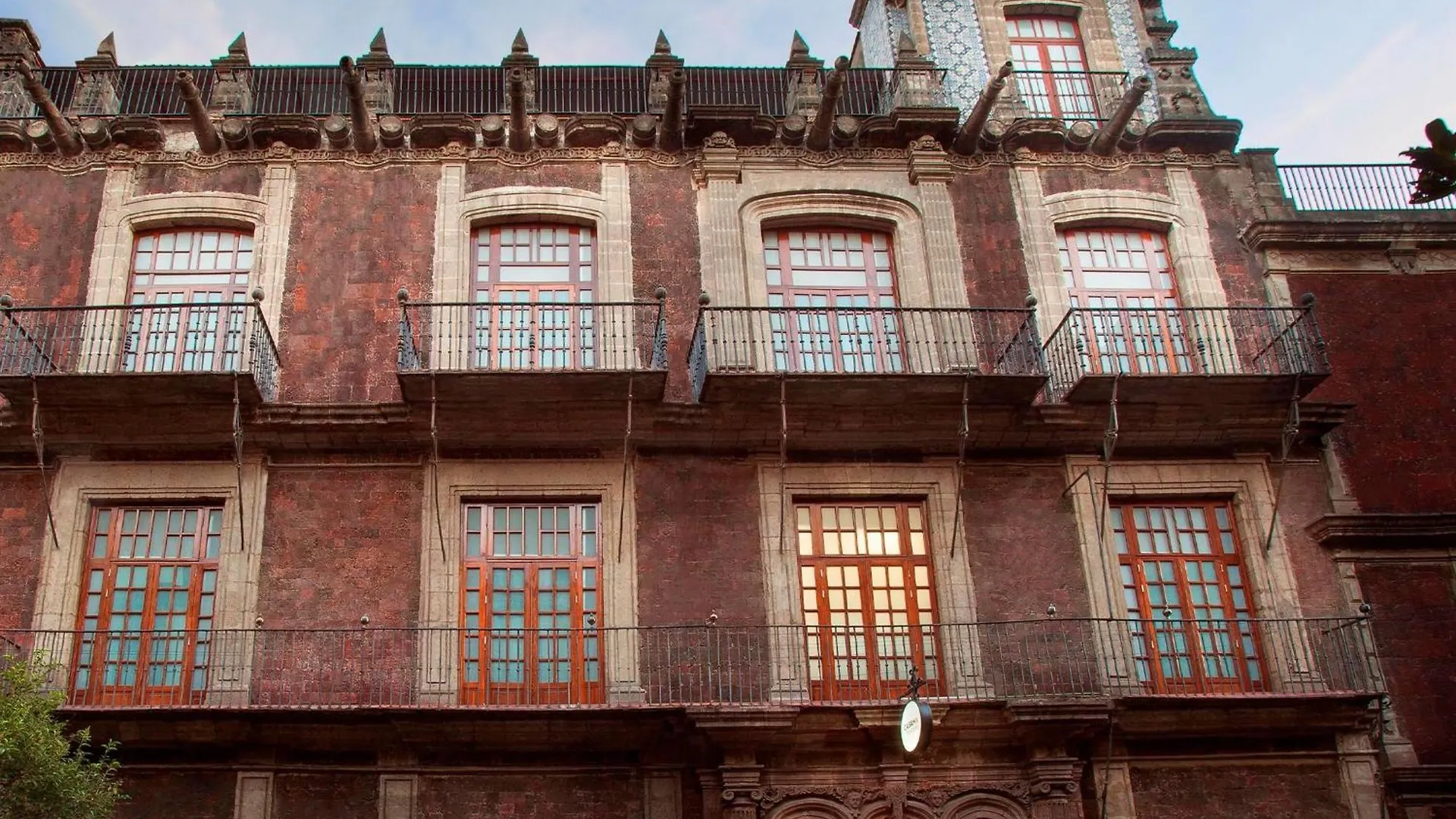
Mexico City's Centro Histórico is not just a backdrop - it is one of the densest concentrations of UNESCO-listed architecture, pre-Hispanic ruins, and colonial landmarks anywhere in the Americas. Staying at a central hotel here means waking up steps from the Zócalo, the Metropolitan Cathedral, Templo Mayor, and the Diego Rivera murals at the Secretaría de Educación Pública. These two properties position you inside the action, with the National Palace and Palacio de Bellas Artes reachable on foot. This guide breaks down exactly what to expect so you can book with full clarity.
What It's Like Staying In Mexico City Historic Centre
The Centro Histórico operates at a pace that rarely slows down. Street vendors, political demonstrations near the Zócalo, and cathedral bells create a constant urban soundtrack - noise at street level is real and consistent, especially on weekends when outdoor concerts and markets draw locals in large numbers. The Zócalo metro station (Line 2) sits at the heart of the district, connecting you to Polanco in around 20 minutes by subway, which makes the neighbourhood a functional transit hub despite the area's walkability for sightseeing. Travelers who want to spend the majority of their time at historic landmarks without relying on taxis will gain the most from staying here; those seeking quiet residential streets and design-café culture will find Roma Norte or Condesa a better fit.
Accommodation in Centro Histórico is generally more affordable than comparable options in Polanco or Condesa, while keeping you within walking distance of the city's most visited monuments.
Pros:
- * Walking distance to Templo Mayor, Zócalo, Palacio de Bellas Artes, and Metropolitan Cathedral - no daily taxi budget needed for core sightseeing
- * Direct metro access on Line 2 links the district to Polanco, Insurgentes, and the airport transfer point at Buenavista
- * Hotel rates typically undercut equivalent star-rated properties in Polanco or Santa Fe by a significant margin
Cons:
- * Street-level noise from vendors, traffic, and public events is persistent - light sleepers need upper-floor or soundproofed rooms
- * Nighttime atmosphere on side streets away from the Zócalo requires awareness; stick to well-lit, populated routes after dark
- * The neighbourhood lacks the café culture, fine-dining scene, and green spaces found in Condesa or Roma Norte
Why Choose Central Hotels In Mexico City Historic Centre
Central hotels in the Historic Centre are defined by their address advantage: the Zócalo, Templo Mayor, and the Palacio Nacional are not just nearby - they are often visible from the hotel itself. Unlike boutique guesthouses scattered across Roma Norte, central properties here typically offer full-service amenities including 24-hour reception, room service, and on-site dining, because the guest profile demands it. Room sizes in this category tend to be more generous than comparably priced options in trendier neighbourhoods, and many buildings date to the late 19th or early 20th century, giving rooms a structural character that modern high-rises in Santa Fe or Satelite lack. The trade-off is that facing rooms on lower floors absorb more street noise, and the immediate surroundings are denser and more commercially active than residential alternatives.
For travelers spending around 3 nights focused on pre-Hispanic and colonial history, a central hotel eliminates all daily commuting to the main sites, which adds up to meaningful time and cost savings.
Pros:
- * Full-service amenities - rooftop dining, fitness centres, concierge, and 24-hour front desks - without the Polanco price premium
- * Historic buildings with architectural character: high ceilings, period facades, and views directly onto the Zócalo or surrounding monuments
- * Includes or bundles breakfast at multiple properties, reducing daily food spend in a neighbourhood where restaurants cater primarily to tourists near the plaza
Cons:
- * Street-facing rooms on lower floors can be significantly noisier than interior courtyard-facing options - always request upper floor or interior view at booking
- * Foot traffic and vendor activity directly outside the hotel is constant during peak hours, which can slow down arrivals and departures
- * Fine dining and trendy nightlife require a taxi or metro ride to Polanco or Condesa - the immediate dining scene skews toward casual and tourist-facing establishments
Practical Booking & Area Strategy
The streets immediately surrounding the Zócalo - Calle Moneda, Avenida Madero (pedestrianised), and República de Guatemala - offer the best positioning for walkable access to the top monuments. Avenida Madero is fully pedestrianised and links the Zócalo directly to Palacio de Bellas Artes and Alameda Central in about a 10-minute walk, making it the most efficient corridor for sightseers. Hotels one or two blocks north toward Calle Tacuba or south toward Calle 16 de Septiembre remain within the core zone without absorbing the full Zócalo plaza noise. For transport, the Zócalo metro station (Line 2) covers most of the city, while Metrobús Line 4 on Eje Central connects toward Tlatelolco and Buena Vista. Book at least 6 weeks in advance for stays during Día de Muertos (late October-early November), Semana Santa, and the Christmas-New Year window, when Centro Histórico hotels sell out first and prices climb sharply. March and April offer the best combination of dry weather, jacaranda season, and moderate rates. Day-to-day, the neighbourhood is safe for tourists within the main tourist perimeter - the area around the Zócalo has a visible police presence around the clock.
Recommended Central Hotels In Mexico City Historic Centre
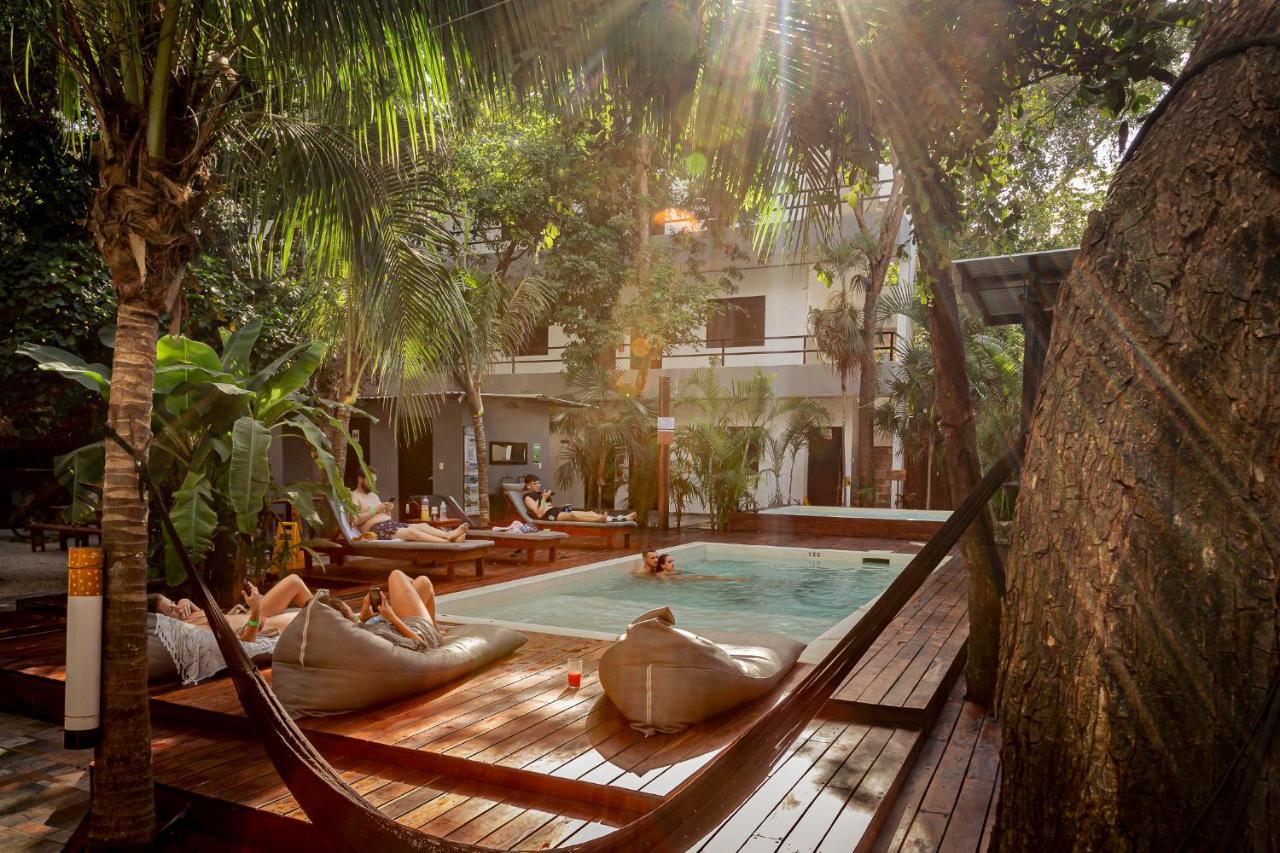
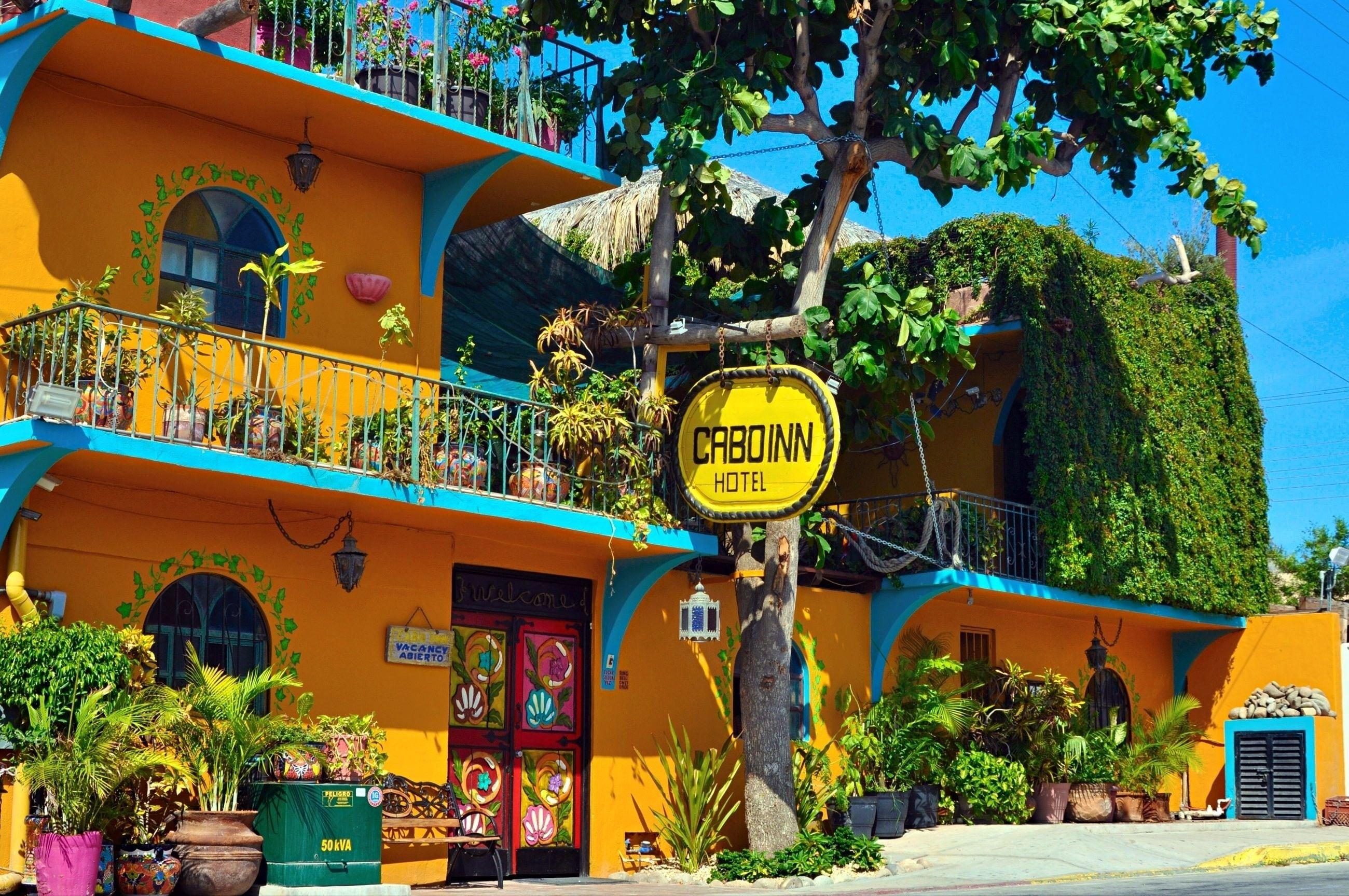
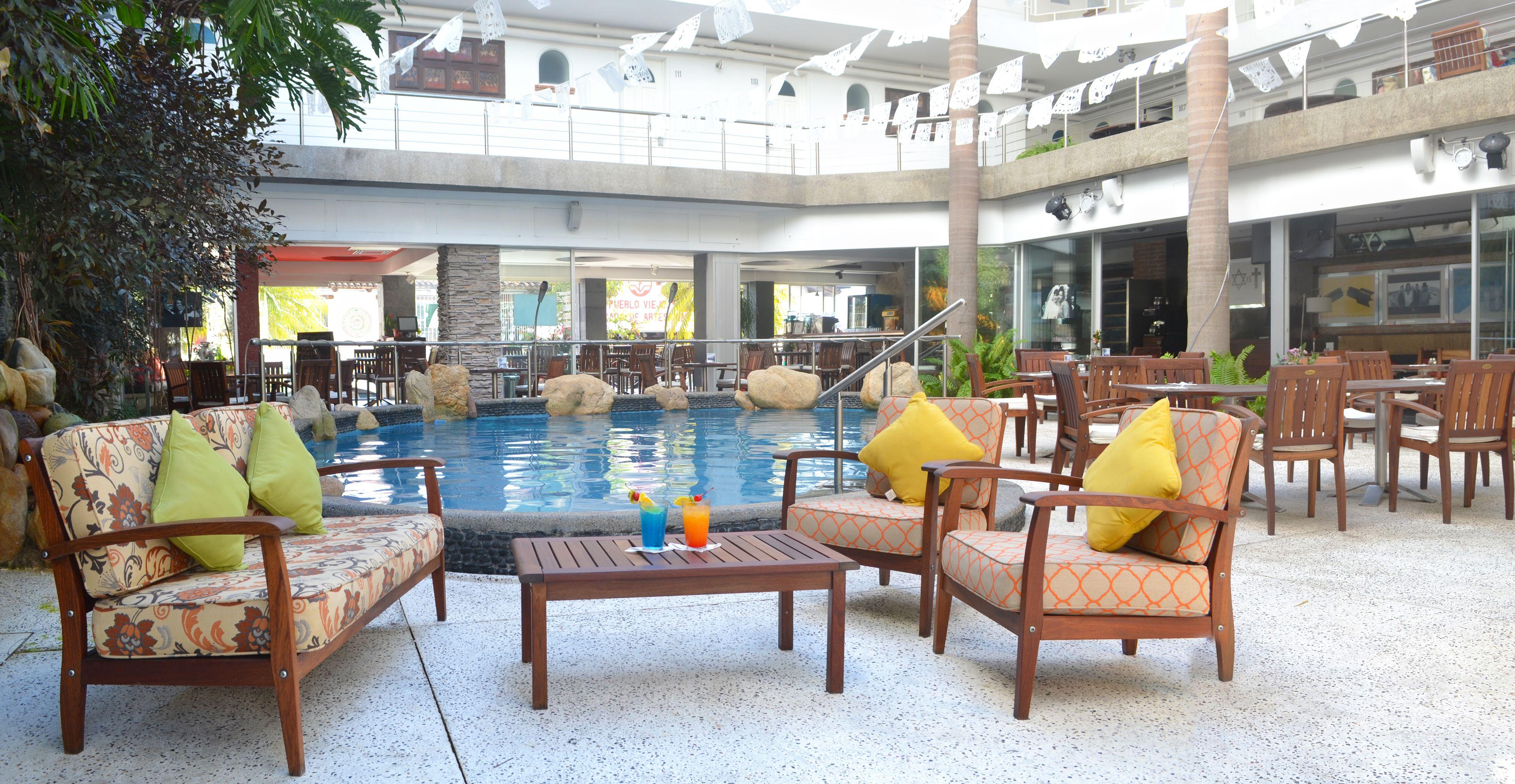
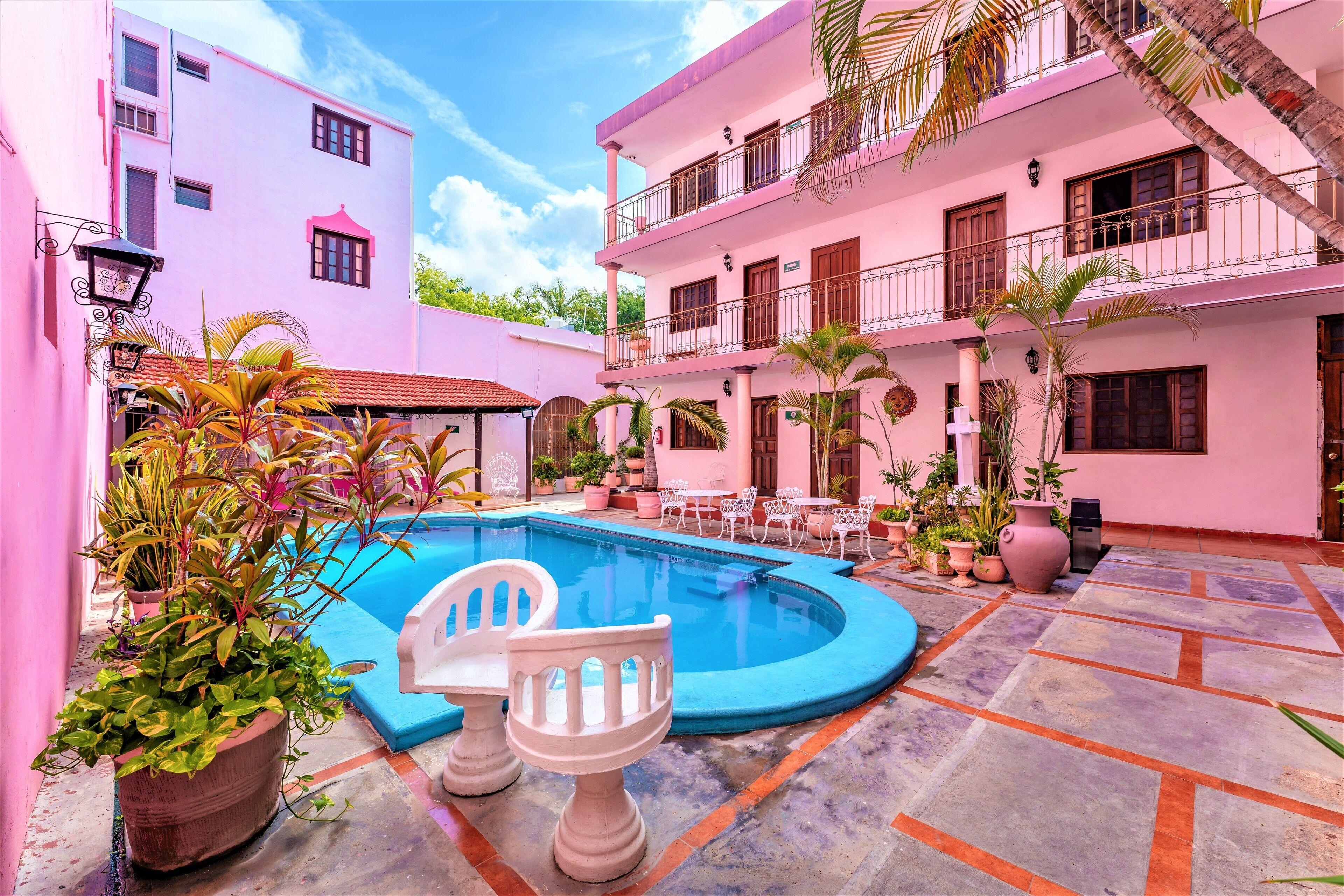
Both properties below are positioned within the core of the Historic Centre, within direct walking distance of the Zócalo and the city's primary landmarks. They represent different positioning within the central hotel category - one with a full-service legacy footprint, one with a compact suite-focused format.
-
1. Zocalo Central
Show on map


 Check-infrom 15:00 until 23:59Check-outfrom 09:00 until 12:00
Just a few rooms left at the best rate!
fromMXN 1369
-
2. Hotel Mx Mas Centro Cdmx, Trademark Collection By Wyndham
Show on map


 Check-infrom 15:00 until 23:30Check-outfrom 11:00 until 12:00
Hurry – almost gone at this price!
fromMXN 822
Smart Travel & Timing Advice For Mexico City Historic Centre
March and April are the strongest months to book a central hotel in the Historic Centre: the dry season is in full effect, jacaranda trees are blooming across the city, and hotel rates have not yet climbed to their peak. Late October through early November is the most culturally dense period - Día de Muertos transforms the Zócalo and surrounding streets into one of the most significant public events in Mexico - but demand from international visitors pushes prices up sharply and rooms near the plaza sell out weeks in advance. December through early January is the busiest tourist window, with New Year's Eve celebrations centred on the Zócalo attracting massive crowds; properties in the Historic Centre require booking at least 8 weeks ahead for that window. May sits just before the rainy season and often offers discounted rates with good availability, though afternoon showers become frequent from June through September. For most sightseeing-focused trips, 3 nights in the Historic Centre is enough to cover the Zócalo precinct, Templo Mayor, Bellas Artes, Alameda Central, and the Secretaría de Educación Pública murals thoroughly. Extending to 4 or 5 nights makes sense if combining with day trips to Teotihuacán or Xochimilco, which are both easily reached from the centre.