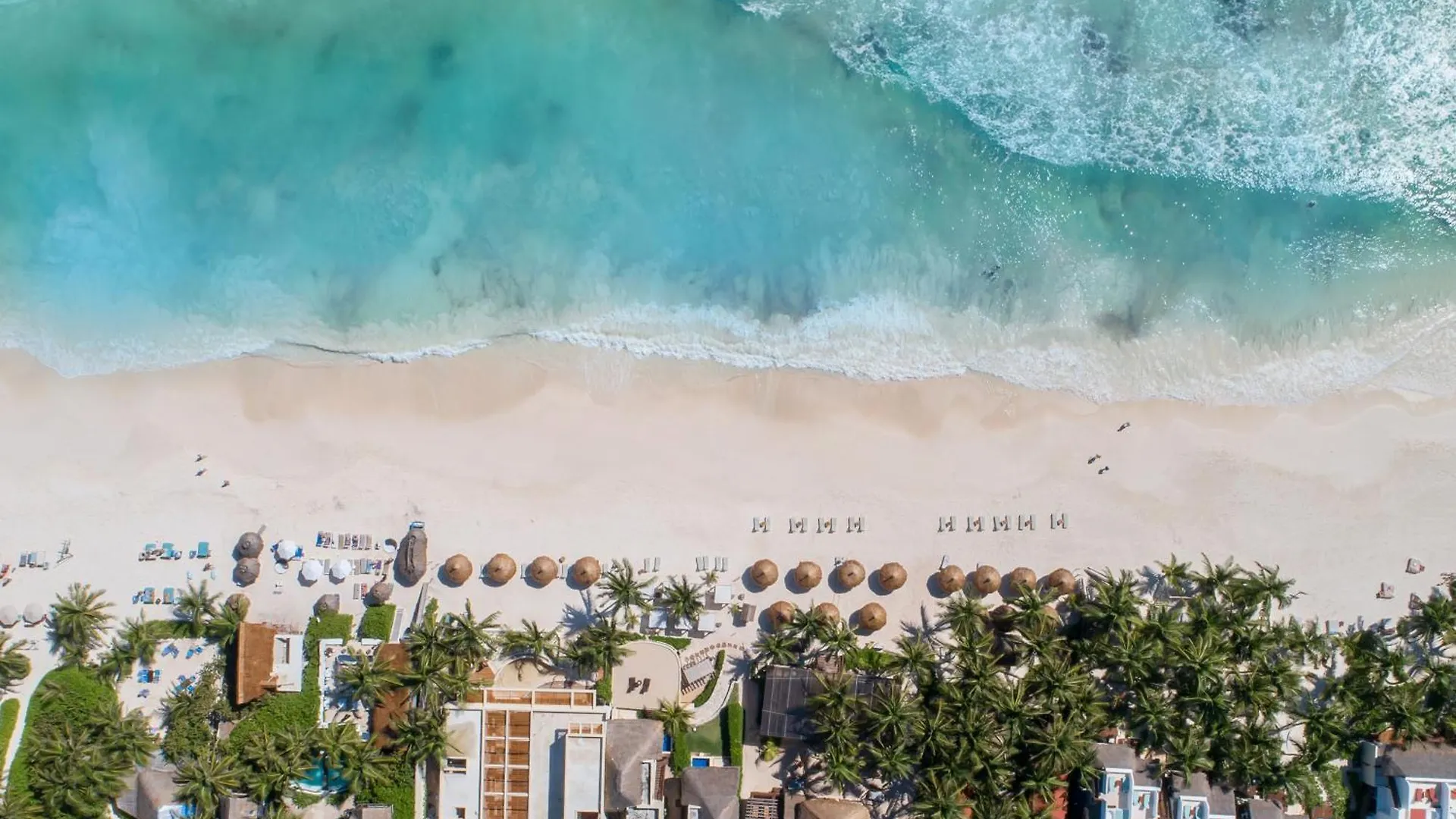
Tulum's Zona Hotelera is a narrow coastal strip stretching along Carretera Tulum-Boca Paila where design-forward hotels sit directly on the Caribbean shore, separated from the town center by jungle and a single unpaved road. Unlike resort corridors in Cancún or Playa del Carmen, this zone trades urban convenience for raw natural immersion - open-air architecture, cenote access, and proximity to the Tulum Archaeological Site define the experience here. This guide compares four standout design hotels along the Zona Hotelera to help you choose where to stay based on what each property actually delivers.
What It's Like Staying In Zona Hotelera
The Zona Hotelera runs along Carretera Tulum-Boca Paila, a partially unpaved coastal road where hotels are spread out over several kilometers - walking between properties is rarely practical, and most guests rely on bicycles or taxis to move around. There are no convenience stores, pharmacies, or supermarkets within the strip itself, so anything you need beyond what your hotel provides requires a trip into Tulum Pueblo, around 15 minutes by car. The atmosphere is deliberately low-key: no high-rises, no nightclub rows, just jungle, beach, and the sound of the Caribbean - which is exactly what draws travelers here and exactly what frustrates those expecting urban walkability.
Pros:
- Direct beachfront access steps from your room, with the Caribbean Sea and soft white sand as your immediate surroundings
- Proximity to the Tulum Archaeological Site - the ruins sit at the northern edge of the strip and can be reached in under 10 minutes by bike
- The low-density layout means far fewer crowds compared to Playa del Carmen's hotel zone, giving each property a more private feel
Cons:
- No walkable restaurant variety - you are largely dependent on your hotel's dining unless you rent a bike or hire a taxi
- The unpaved road creates dust and noise from passing vehicles, particularly noticeable at properties closer to the main access point
- Getting to Tulum's cenotes or the Sian Ka'an Biosphere Reserve requires transport, adding cost and planning to each excursion
Why Choose Exceptional Design Hotels In Zona Hotelera
Design hotels in Tulum's Zona Hotelera are not simply about aesthetics - they represent a specific architectural philosophy that responds to the jungle-meets-sea environment, using natural materials, open-air structures, and minimal visual interruption of the landscape. These properties typically cost around 40% more per night than standard hotels in Tulum Pueblo, but what you are paying for is direct beach access, intentional spatial design, and an environment where the architecture and the landscape are inseparable. Room sizes in this category tend to be generous by Mexican boutique standards, though amenities like air conditioning are sometimes secondary to the natural ventilation design, which matters during the humid summer months.
Pros:
- Architecture built around the natural setting - high ceilings, natural wood, palapa roofs, and open terraces that frame Caribbean views without glass barriers
- Curated programming unique to each property, from full-moon DJ events to Mayan Shaman spa therapies, that standard hotels in the zone do not offer
- Private beach areas that are maintained exclusively for guests, a meaningful advantage over public beach access points that attract day visitors
Cons:
- The rustic-luxe aesthetic means some rooms prioritize visual design over practical amenities like strong air conditioning or consistent hot water pressure
- Dining at on-site restaurants is often the only realistic option, and meal costs can be significantly higher than eating in Tulum Pueblo
- Booking lead time matters - popular design hotels in the Zona Hotelera fill up around 8 weeks in advance during peak season, limiting last-minute availability
Practical Booking & Area Strategy
Position within the Zona Hotelera matters more than travelers typically expect. Properties clustered near the northern end of Carretera Tulum-Boca Paila - closest to the Tulum Ruins entrance - offer the easiest access to the archaeological site and to the handful of beach clubs and restaurants around that hub. Hotels further south along the strip, toward the Sian Ka'an Biosphere Reserve boundary, trade convenience for greater seclusion and quieter beach stretches. Renting a bicycle at your hotel is the most practical way to navigate the strip, with most design properties either renting bikes on-site or connecting guests with nearby rental services. For airport logistics, Tulum International Airport (TQO) is around 43 km from the zone, making a pre-arranged shuttle or private transfer far more reliable than waiting for taxis. December through March is peak season, when nightly rates climb sharply and beachfront rooms sell out weeks ahead - if you are traveling during that window, locking in your reservation at least 6 weeks out is not optional, it is necessary. The full-moon parties at select properties are a known draw that spikes local demand on specific dates, worth checking before you book if you want tranquility or if you specifically want the event experience.
Best Value Design Stays
These properties deliver the core Zona Hotelera design experience - beachfront positioning, thoughtful architecture, and curated atmosphere - at a more accessible price point relative to the strip's premium end.
-
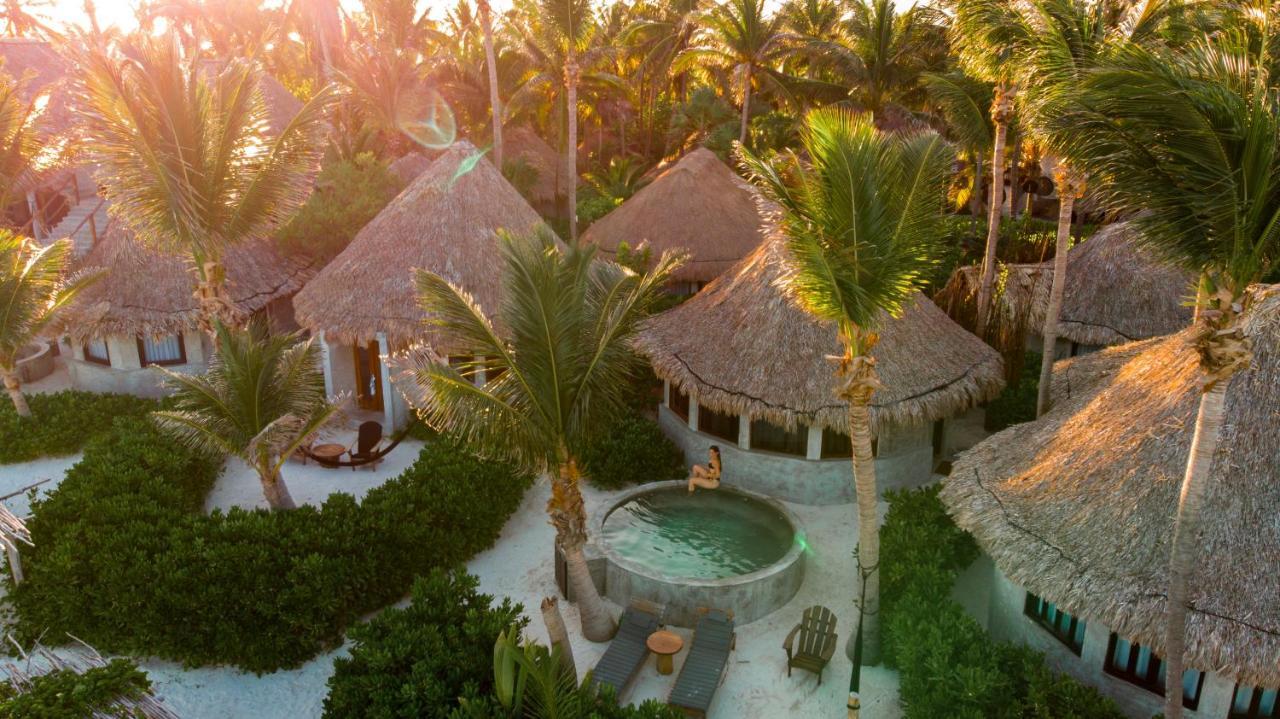
1. Papaya Playa Project, Tulum, A Member Of Design Hotels
Show on map


 Check-infrom 15:00 until 23:59Check-outuntil 12:00
Just a few rooms left at the best rate!
fromMXN 6213
-
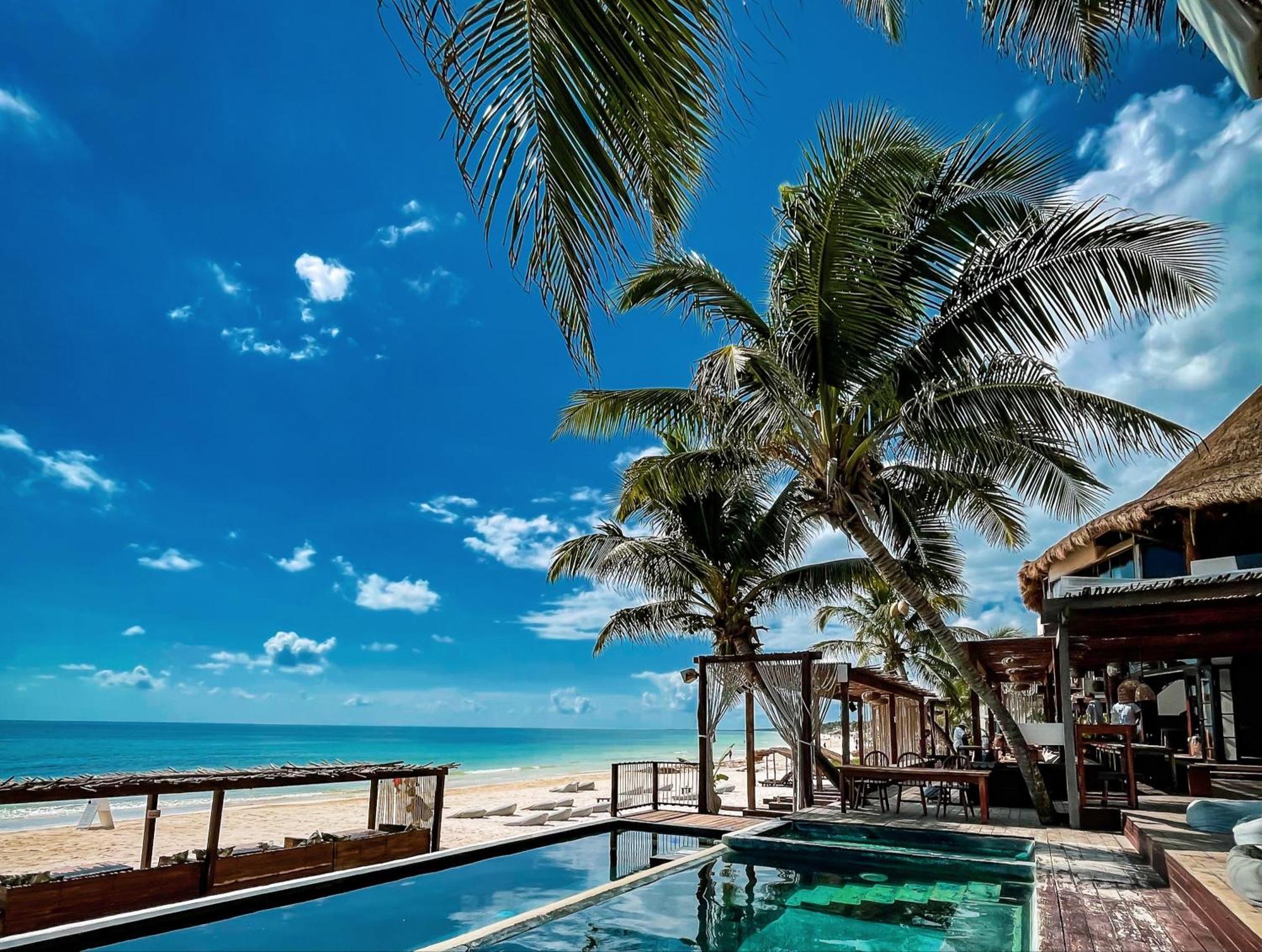
2. Zamas Hotel
Show on map


 Check-infrom 15:00 until 23:59Check-outuntil 12:00
Just a few rooms left at the best rate!
fromMXN 2995
Best Premium Design Stays
These two properties sit at the higher-positioned end of the Zona Hotelera design spectrum, offering more refined suite-level accommodation, spa facilities, and location advantages that justify the elevated nightly rate.
-
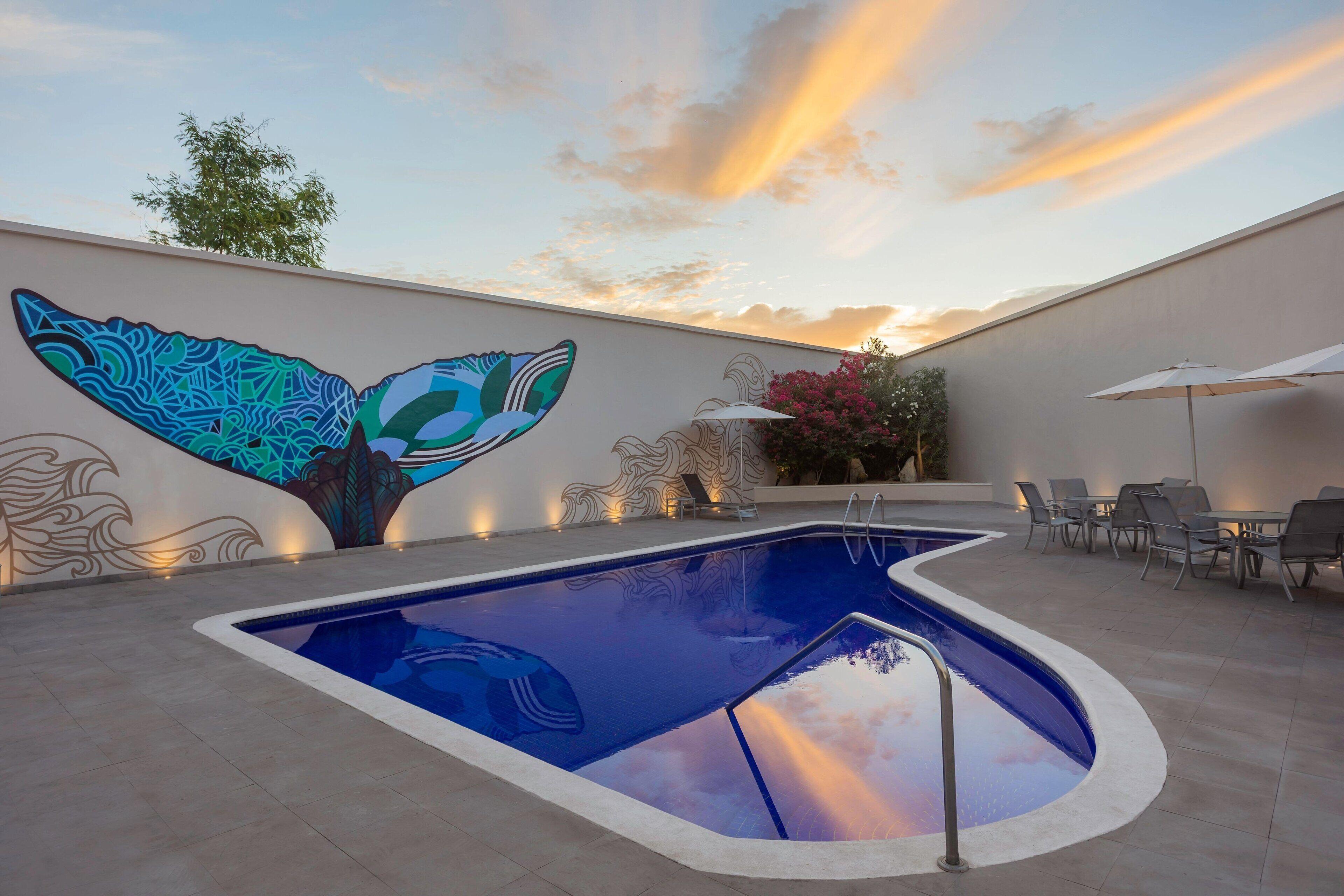
1. Ana y Jose Hotel & Spa
Show on map


 Check-infrom 15:00 until 23:59Check-outuntil 12:00
Hurry – almost gone at this price!
fromMXN 3954
-
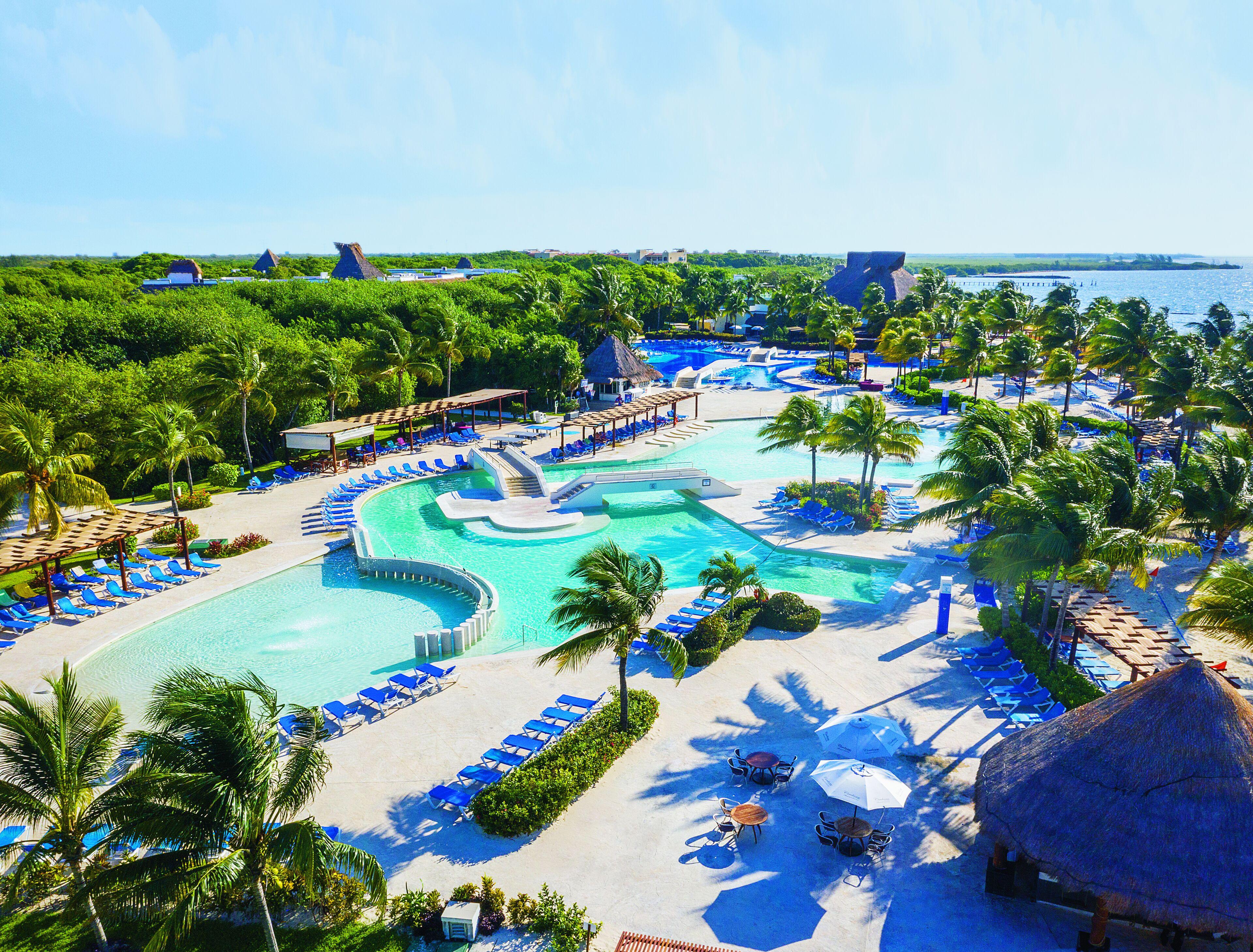
4. Maria Del Mar Tulum - Adults Only
Show on map


 Check-infrom 15:00 until 23:00Check-outfrom 08:00 until 11:00
Rooms filling fast – secure the best rate!
fromMXN 4929
Smart Travel & Timing Advice For Zona Hotelera
The Zona Hotelera operates on a distinct seasonal rhythm that directly affects pricing, availability, and beach conditions. December through March is the driest and most temperate period, with low humidity, consistent trade winds, and Caribbean water visibility at its clearest - this is when demand peaks and nightly rates at design hotels climb to their highest points of the year. Booking at least 6 weeks before arrival during this window is necessary for beachfront rooms; waiting until 2 weeks out typically leaves only interior-facing or less desirable configurations. April and May offer a transitional window where prices begin to ease but weather remains reliable - a practical middle ground for travelers with schedule flexibility. June through October is hurricane season, with August and September carrying the highest statistical risk of tropical weather disruption; rates drop noticeably during this period, but beach conditions can be variable and some boutique properties reduce services or temporarily close. A stay of 3 nights is the practical minimum to absorb the logistics of arriving, settling in, and exploring the Archaeological Site and Sian Ka'an without feeling rushed - 5 nights allows for cenote day trips and a more relaxed pace that the Zona Hotelera's isolated setting rewards.