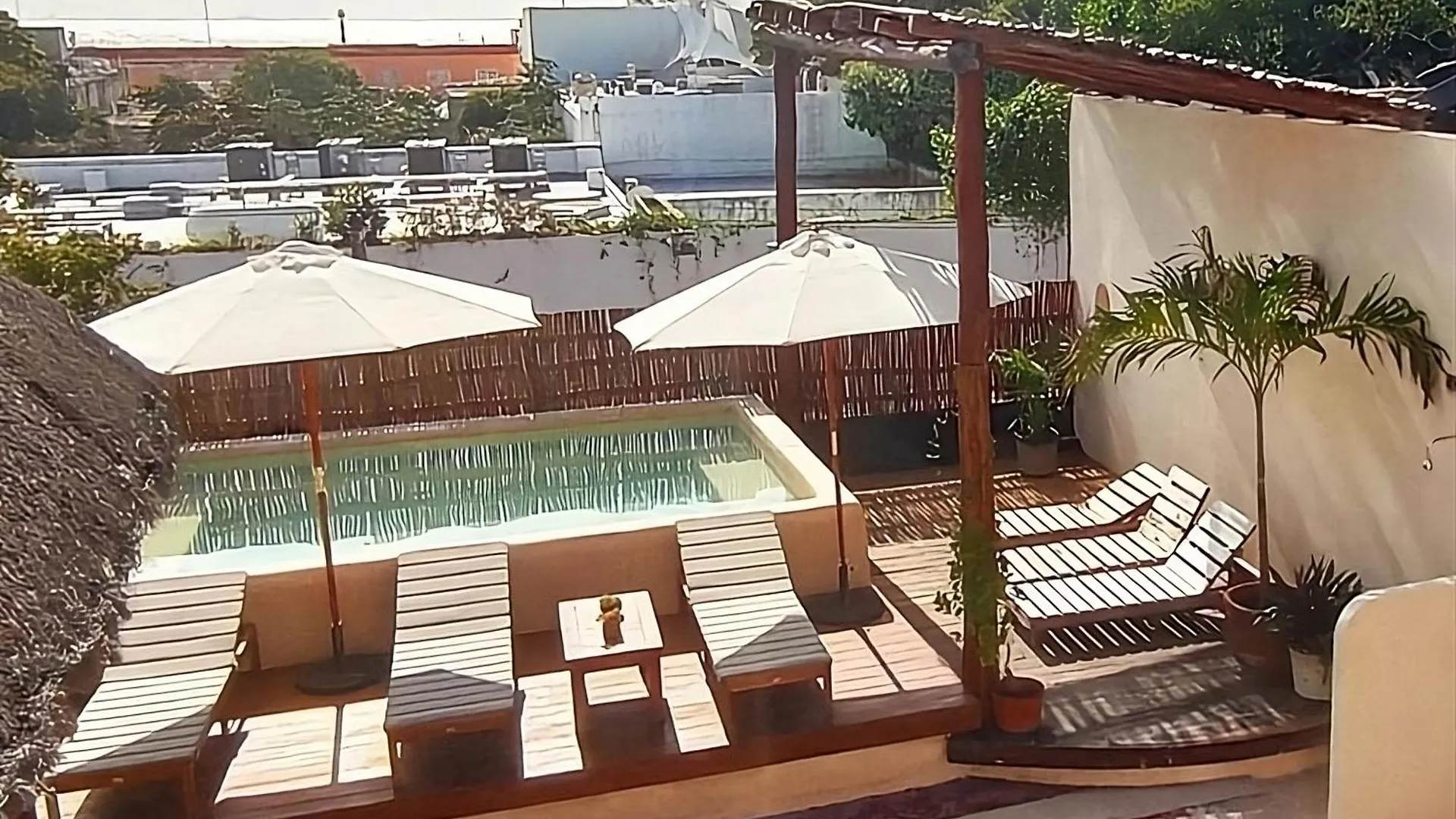
Riviera Maya stretches over 130 kilometers of Caribbean coastline between Cancún and Tulum, concentrating some of Mexico's most sought-after spa and wellness retreats. Whether you're after jungle-edge eco-lodges or all-inclusive resort pools, this guide breaks down four spa hotels across the region - from Playa del Carmen's adult-only hostels to Tulum's beachfront villas - so you can match your budget and travel style to the right property before you book.
What It's Like Staying in Riviera Maya
Riviera Maya is anchored by two very different travel rhythms: Playa del Carmen operates as a walkable urban beach town with a dense strip of restaurants and nightlife along Quinta Avenida, while Tulum sits around 60 kilometers south and runs at a slower, more nature-focused pace. Most visitors underestimate how spread out the region is - getting between Playa del Carmen and Tulum by colectivo (shared van) takes around 90 minutes and costs very little, but renting a car or booking private transfers makes a measurable difference in comfort. Crowds peak sharply from late December through March and again in July, when resort rates climb steeply and cenotes near Tulum fill up before noon.
Pros:
- Direct access to both Caribbean beaches and jungle cenotes within the same trip, without changing accommodation
- Playa del Carmen's 5th Avenue corridor puts restaurants, pharmacies, and transport links within a 10-minute walk of most hotels
- The concentration of spa and wellness infrastructure in this region is unmatched in Mexico - Tulum alone hosts dozens of certified wellness centers
Cons:
- Highway 307 connecting the region sees heavy traffic during school holidays, making taxi rides between towns unpredictable in timing
- Beach access in Tulum is increasingly privatized, with many beachfront hotels charging non-guests for entry to their stretch of sand
- High season demand means popular cenotes and Tulum archaeological site can feel overcrowded before 10:00 AM
Why Choose a Spa Hotel in Riviera Maya
Spa hotels in Riviera Maya range from eco-focused boutique properties in the jungle to full-scale all-inclusive resorts with hydrotherapy circuits and beachfront treatment pavilions. The region's cenote network and Mayan wellness traditions give spa offerings here a distinctly local angle - many properties incorporate temazcal ceremonies, local botanical ingredients, and open-air treatment structures that you won't find replicated in standard resort spas elsewhere. Nightly rates at wellness-focused hotels can run around 40% higher than comparable standard rooms in the same area, but the gap often reflects access to included facilities like thermal pools, daily yoga classes, or breakfast packages that reduce meal costs. The trade-off is that budget-tier spa properties may offer the spa label without the full infrastructure - always verify whether treatments are included or priced separately.
Pros:
- Tulum-area spa hotels frequently include outdoor pools, private beach access, or garden settings that justify the price premium with usable space
- All-inclusive spa resorts like those in the Playacar zone eliminate daily spending friction, making budgeting more predictable
- Adults-only spa properties offer noticeably quieter pool and common areas, especially relevant during high season when family resorts get congested
Cons:
- Smaller boutique spa properties in Chemuyil or between Playa del Carmen and Tulum can feel isolated without a car, as local taxis are infrequent
- Spa services are often priced separately even at hotels marketed as wellness retreats - budget an extra amount per treatment session
- Rooftop and outdoor lounge areas at urban spa hostels in Playa del Carmen may close late at night, limiting use after evening activities
Practical Booking & Area Strategy
Playa del Carmen is the most logistically practical base in Riviera Maya: the ADO international bus terminal connects it to Cancún Airport in around 70 minutes, and colectivos to Tulum depart regularly from Avenida Juárez. Staying in the Playacar zone south of 5th Avenue puts you within walking distance of the beach while buffering from the noisiest nightlife blocks - a meaningful advantage if sleep quality matters during a wellness trip. Tulum's hotel zone (Zona Hotelera) runs along a narrow coastal road with no public transport, so properties there require either a rental bike, scooter, or car to reach restaurants and the archaeological site efficiently. Book at least 8 weeks ahead for December-March stays to avoid paying peak-season premiums; shoulder months like May and October offer the same climate with significantly lower rates and thinner crowds at cenotes like Gran Cenote and Dos Ojos, both within 10 kilometers of Tulum town. For attraction priorities, the Tulum ruins, Sian Ka'an Biosphere Reserve, and the cenote route between Playa del Carmen and Tulum are the region's standout experiences and all accessible as day trips from any base along Highway 307.
Best Value Spa Stays
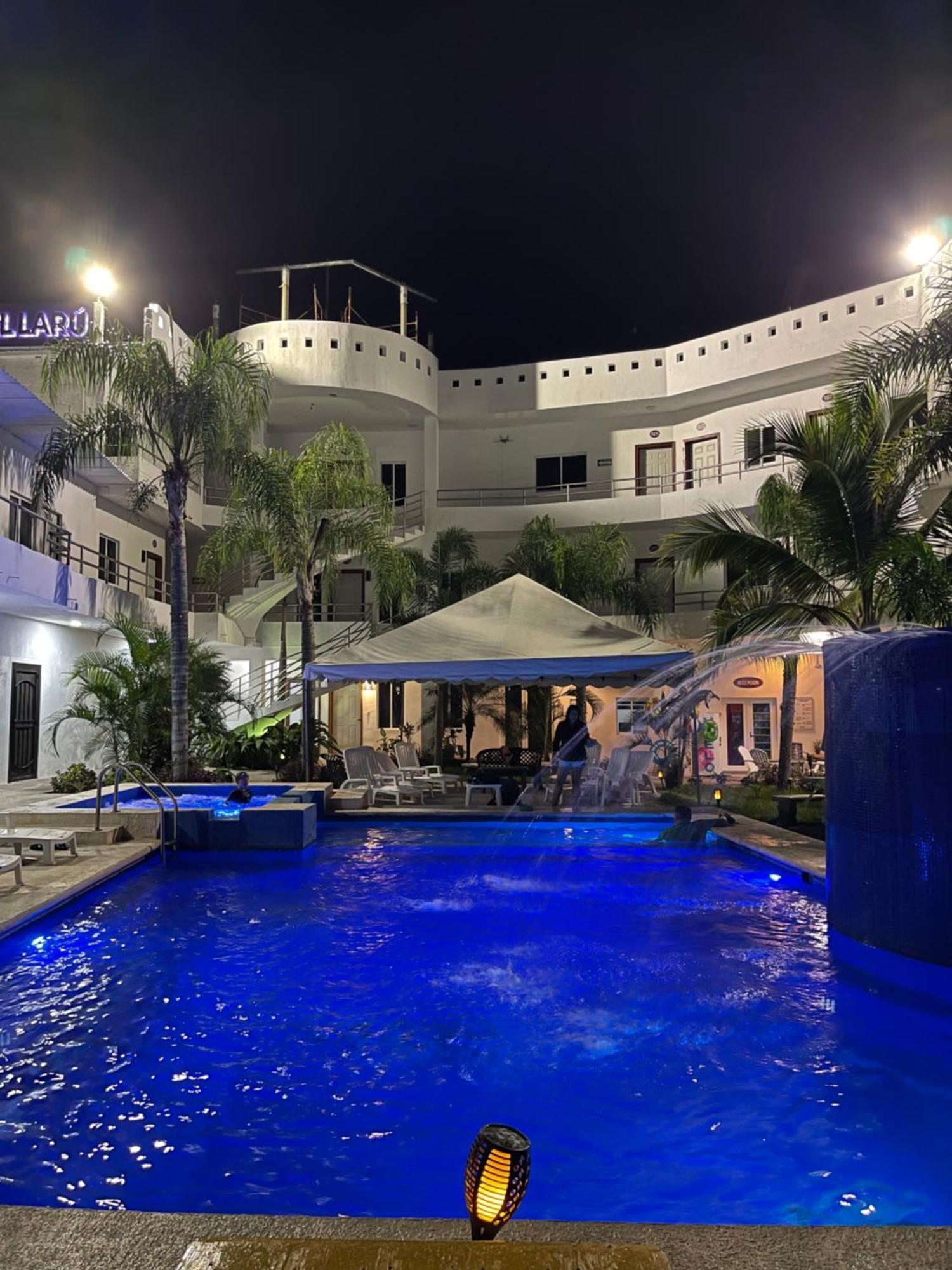
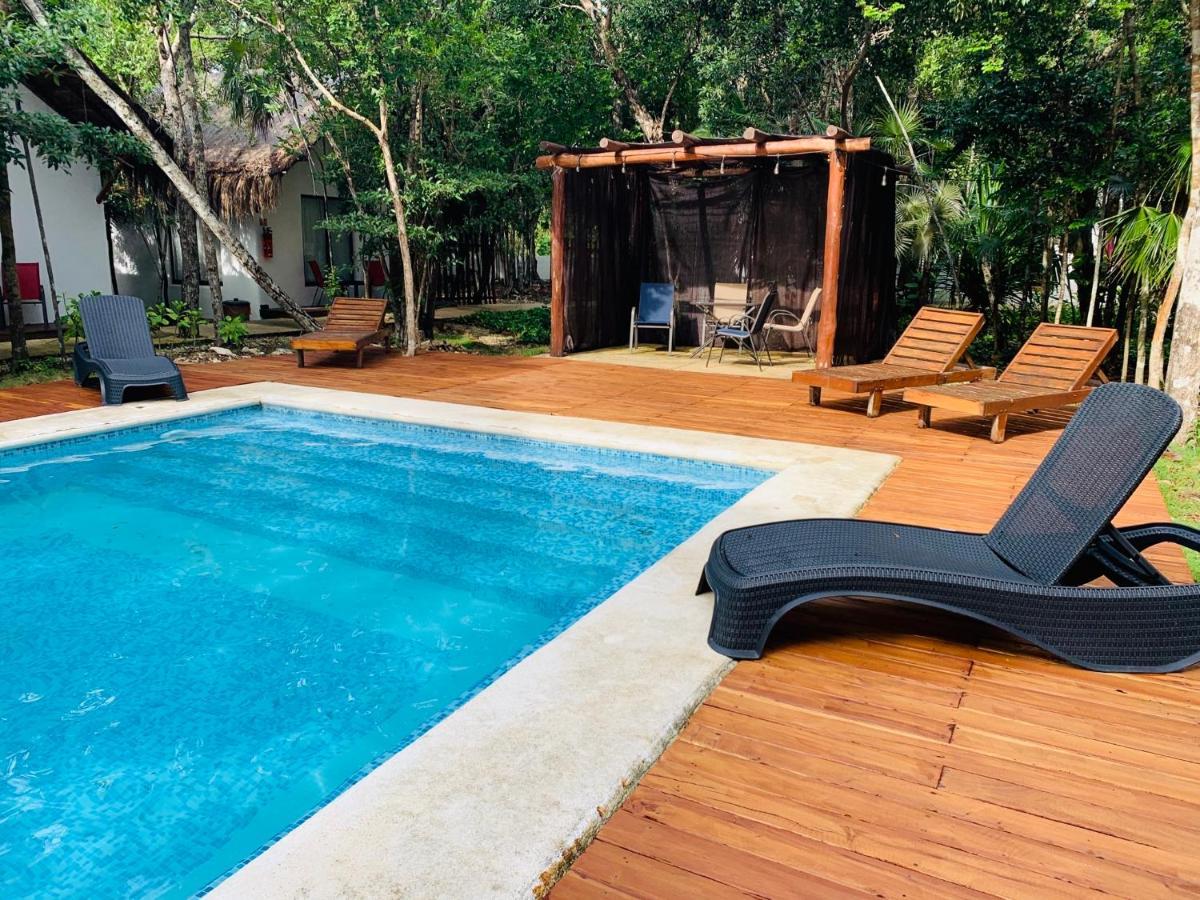
These properties deliver spa-oriented facilities or wellness atmospheres at price points accessible to budget-conscious travelers, with each offering a distinct angle on the Riviera Maya experience.
-
1. 3B Wellness Hotel & Hostel Adults Only
Show on map


 Check-infrom 15:00 until 23:59Check-outfrom 11:00 until 12:00
Just a few rooms left at the best rate!
fromMXN 136
-
2. Collection O Ecovergel Hotel Boutique Spa In Tulum
Show on map


 Check-infrom 15:00 until 21:00Check-outfrom 12:00 until 13:00
Hurry – almost gone at this price!
fromMXN 899
Best Premium Spa Stays
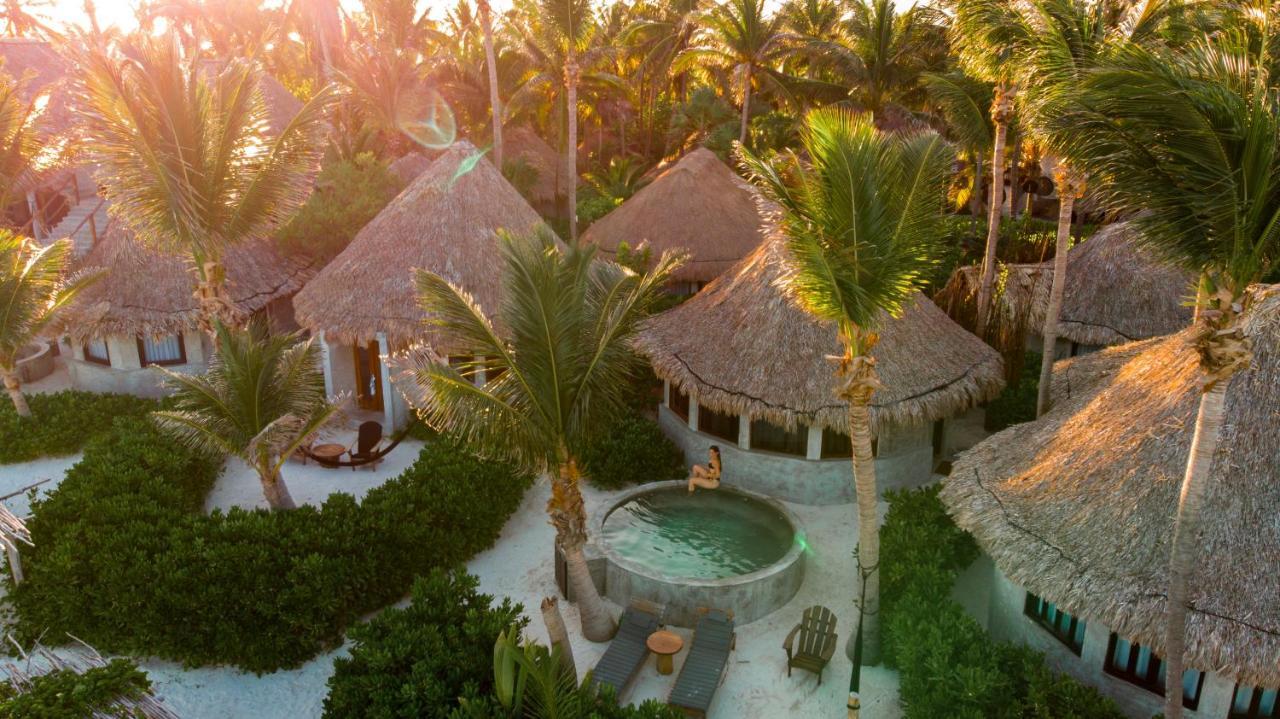
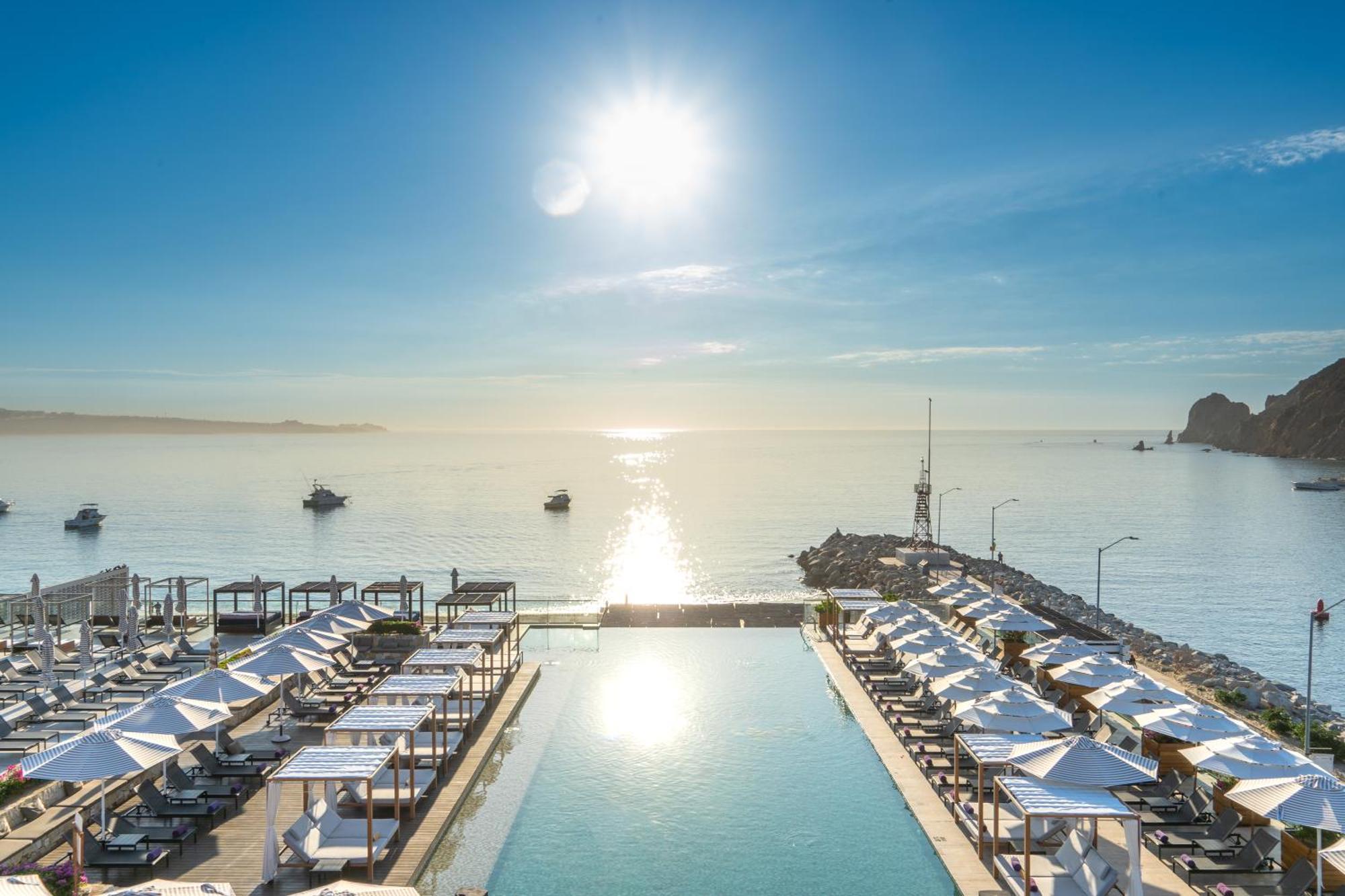
These two properties operate at a higher tier - one as a full all-inclusive resort in Playa del Carmen's Playacar zone, the other as a beachfront villa complex directly on the sand in Tulum - and both justify their positioning with infrastructure and location quality.
- Show on map
Best price guarantee
- Show on map
Best price guarantee
Smart Travel & Timing Advice
The dry season from December through April delivers the most reliable beach and outdoor spa conditions in Riviera Maya, but it also concentrates demand: hotel rates in January and February can be around 50% higher than the same properties in October or early November. The rainy season (June through October) brings afternoon showers that rarely last more than a few hours but can coincide with Caribbean hurricane season - travel insurance is strongly recommended for bookings during September and October specifically. For spa-focused trips where beach time is secondary, May and early June offer a practical sweet spot: the Christmas rush has cleared, temperatures are warm, cenotes are less crowded, and nightly rates have softened without the rain patterns that define late summer. A minimum stay of 4 nights makes sense to absorb travel time from international airports and leave enough days to use on-site wellness facilities without rushing. All-inclusive properties like Riu Tequila reward longer stays because the value ratio of included meals and amenities only improves past the third night; boutique and hostel-style properties are more flexible for 2-night stopovers as part of a wider Yucatán itinerary.