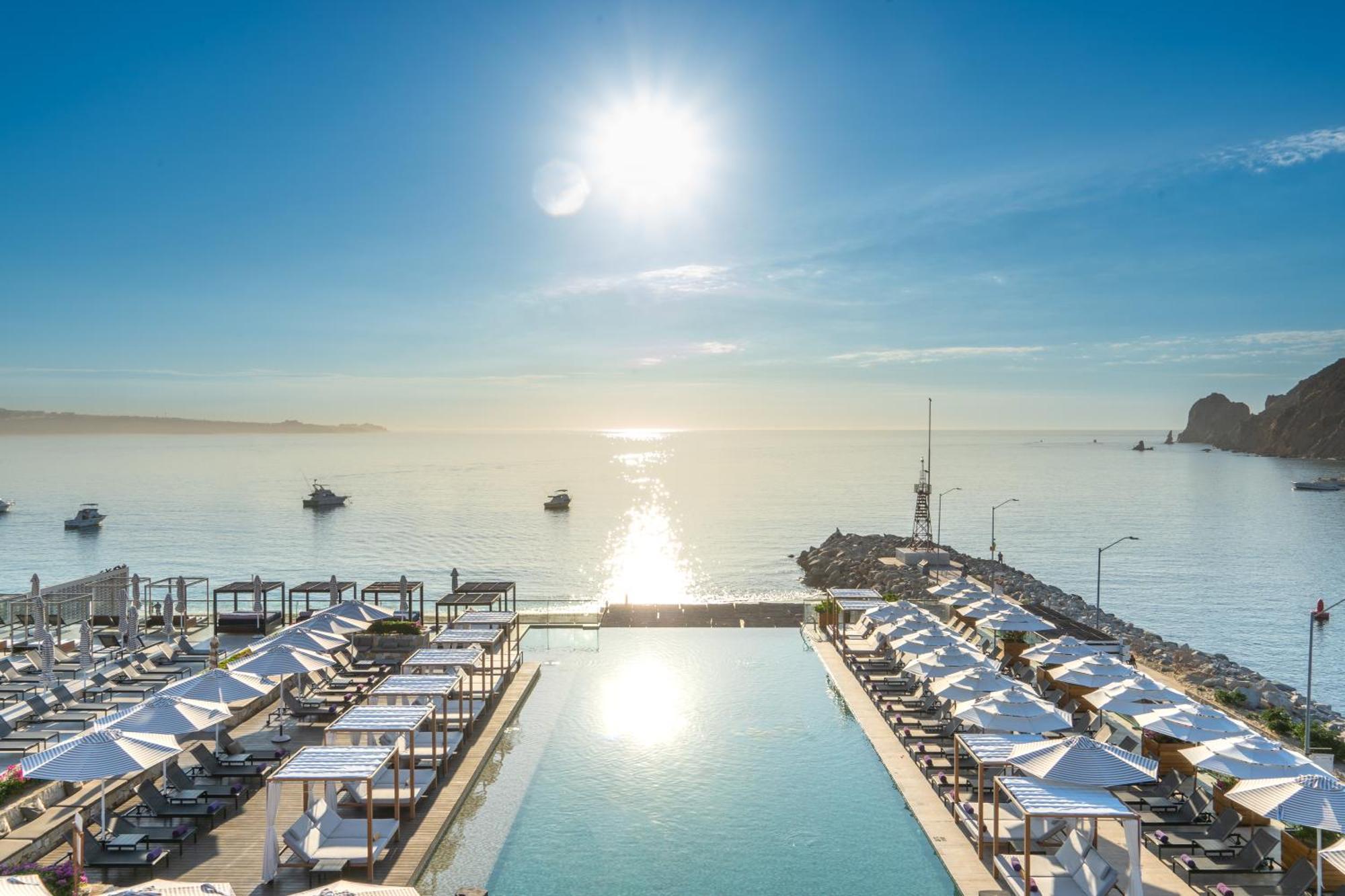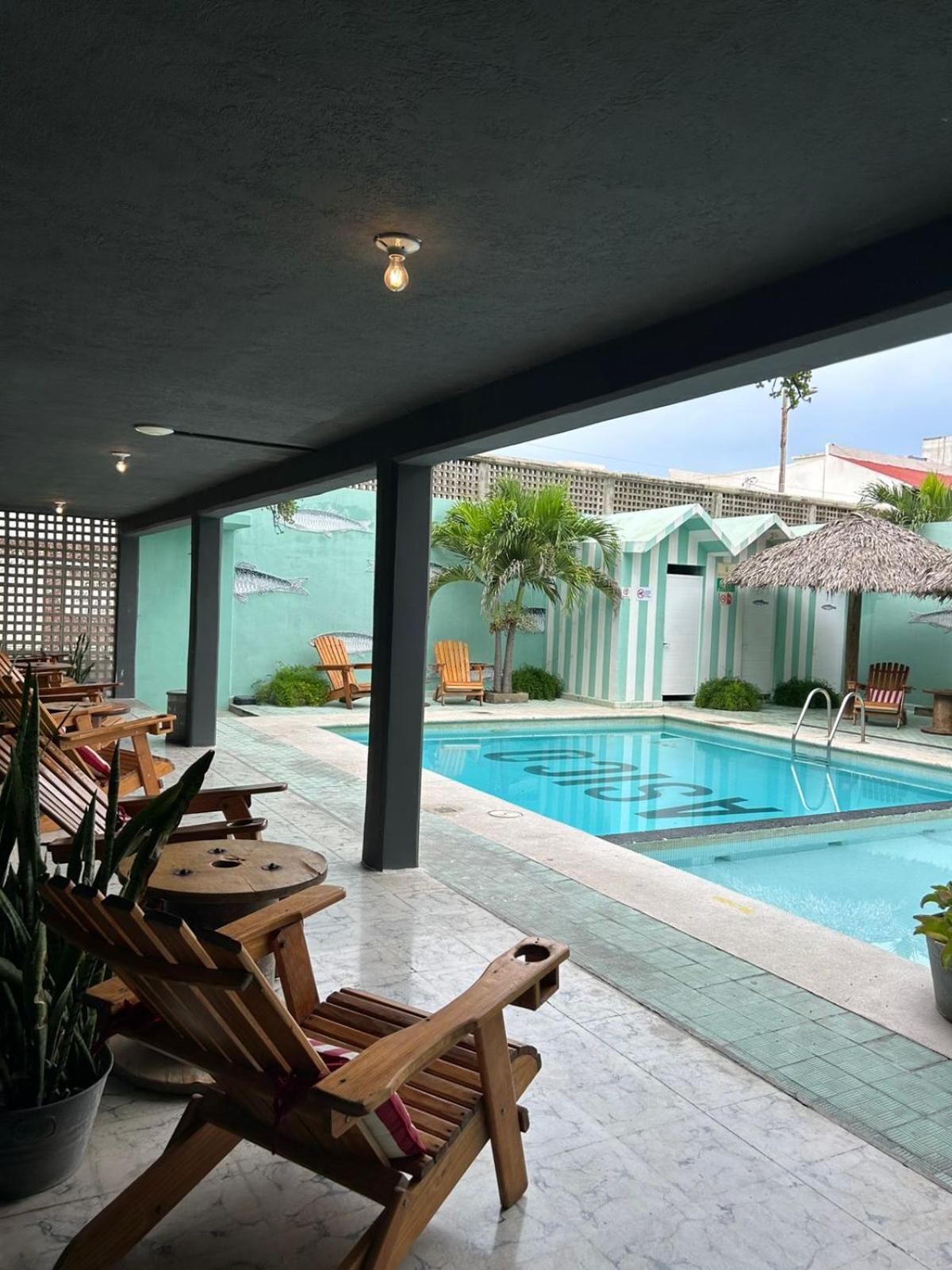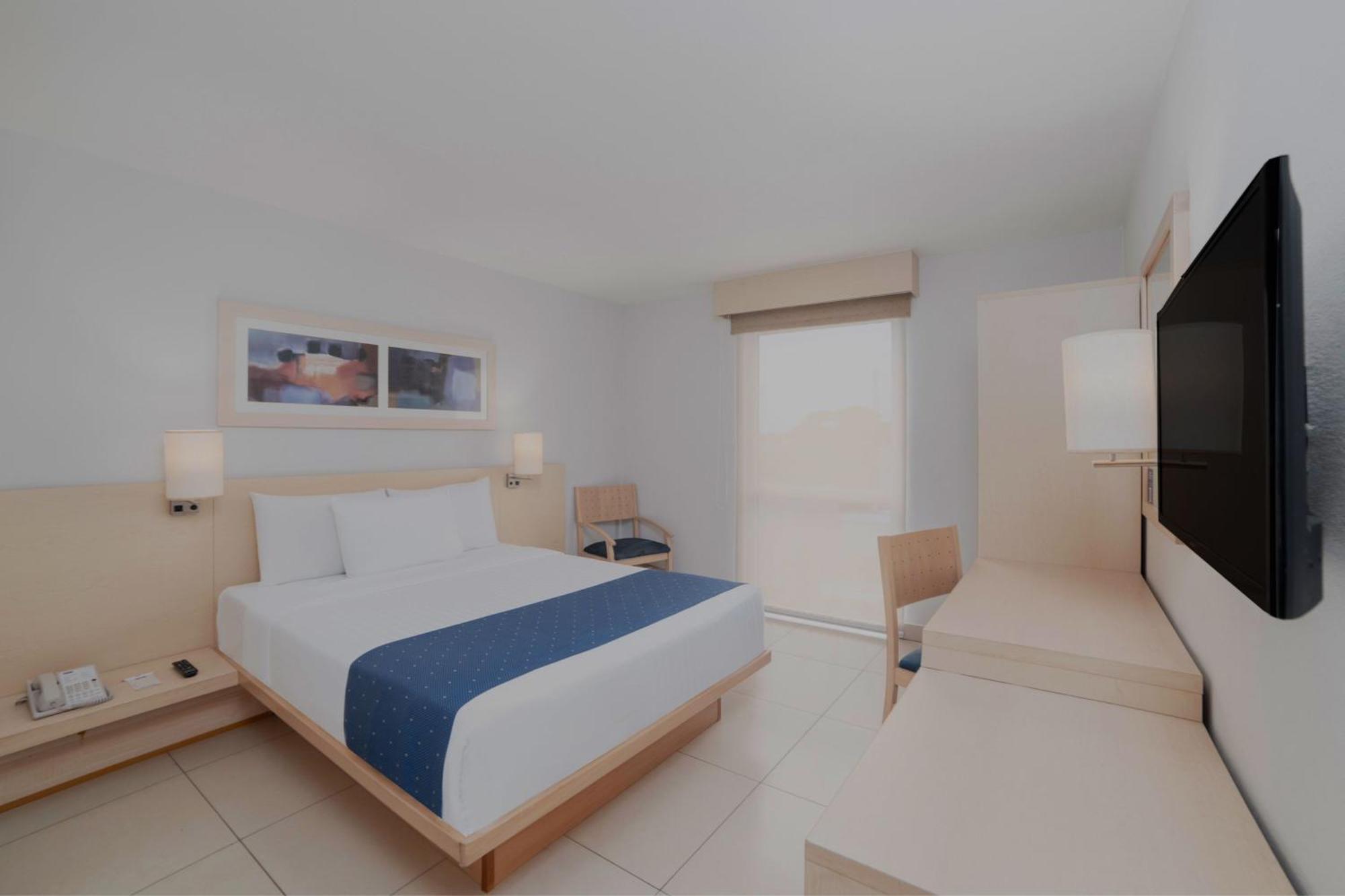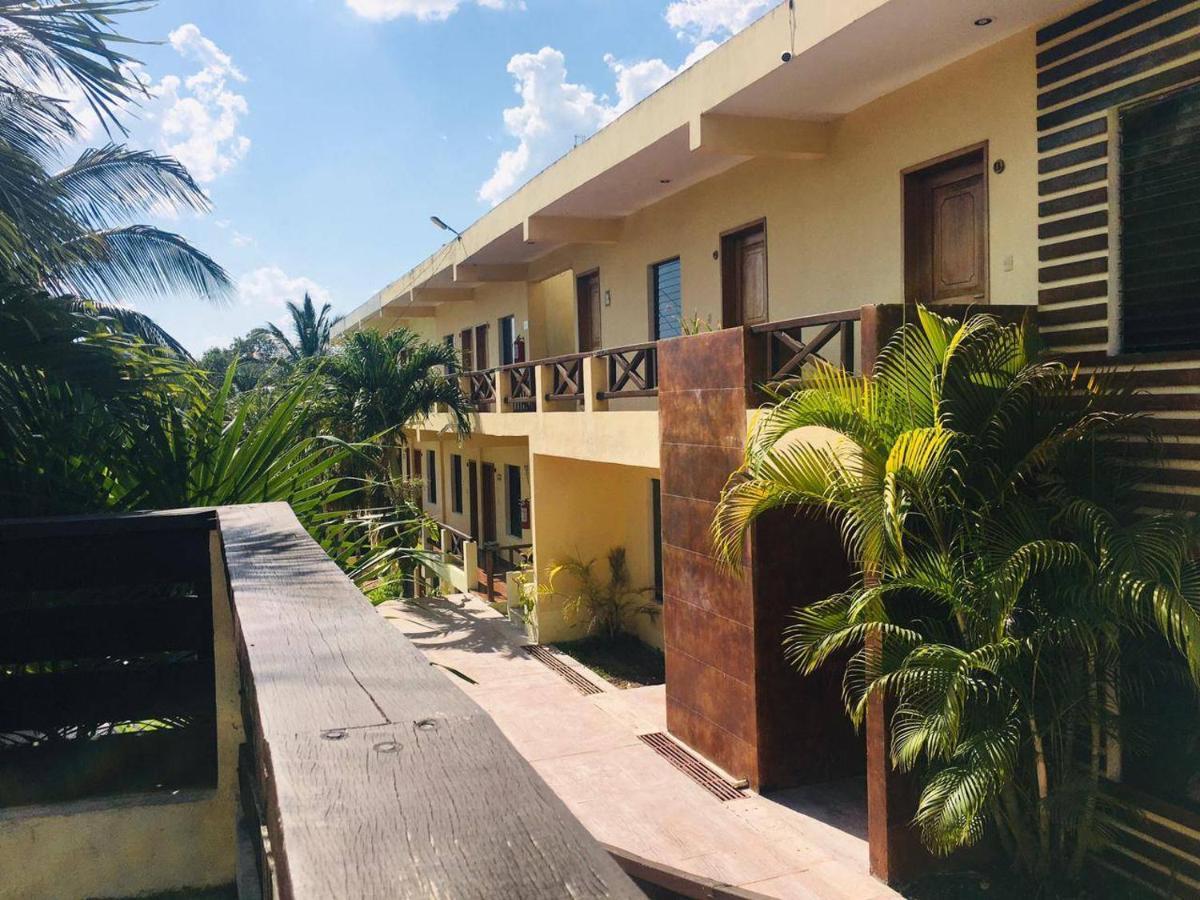
Central Mexico covers a vast interior region spanning colonial cities, archaeological corridors, and mountain towns - from Tepoztlán and Valle de Bravo to Pachuca, Cuernavaca, and Orizaba. Staying in centrally located hotels here means cutting transit time significantly, keeping major landmarks, local markets, and transport hubs within short reach. This guide covers 11 carefully selected central hotels across the region to help you decide where to stay and why.
What It's Like Staying in Central Mexico
Central Mexico is not a single destination - it is a network of culturally distinct cities and towns, each with its own pace, crowd logic, and urban rhythm. Teotihuacán, Cuernavaca, and Valle de Bravo draw the heaviest weekend traffic from Mexico City, which sits at the core of this region and pushes travelers outward in every direction. Staying in centrally located accommodation means you can reach key archaeological sites, colonial downtowns, and mountain landscapes without relying on long private transfers. Around 80% of visitors to this region arrive by road, making proximity to main avenues and bus terminals a genuinely practical advantage.
Pros:
- Direct access to some of Mexico's most significant pre-Columbian and colonial heritage within short drives
- Central positioning in mid-size cities like Pachuca or Orizaba places dining, markets, and transit all within walking distance
- Many central hotels in this region offer free parking, which is critical given how car-dependent the area is outside major city centers
Cons:
- Weekend crowds from Mexico City spike sharply in towns like Tepoztlán and Valle de Bravo, especially between October and March
- Central locations in smaller towns can mean street noise from early morning markets or local festivals
- Public transport between cities is limited - buses connect major hubs, but rural sites require a car or private tour
Why Choose Centrally Located Hotels in Central Mexico
Centrally located hotels in Central Mexico provide something that outlying resorts and boutique countryside stays cannot: operational convenience in a region where distances between attractions can be deceptive. A hotel within 2 km of a town's historic core eliminates the need for daily taxis, which in smaller cities are less reliable than in Mexico City. Prices for central 3- and 4-star hotels across this region are notably accessible, often under the equivalent of what comparable properties cost in resort destinations like Los Cabos or the Riviera Maya. The trade-off is that room sizes in central urban hotels tend to be smaller than in hacienda-style countryside properties, and standard amenities vary more than in internationally branded options.
Pros:
- Walking access to restaurants, pharmacies, ATMs, and local transport cuts daily planning time significantly
- Central hotels in this region frequently include free parking, free WiFi, and breakfast - reducing total trip cost meaningfully
- Proximity to bus stations and main roads allows multi-city itineraries without renting a car for every leg
Cons:
- Rooms in centrally located urban hotels are typically more compact than those in resort-style or hacienda properties outside town
- Traffic noise and early-morning activity are common near market streets and main avenues in cities like Pachuca and Orizaba
- Some central hotels in smaller towns operate with limited front-desk hours and fewer on-site facilities than larger branded properties
Practical Booking & Area Strategy
Choosing where to base yourself in Central Mexico depends heavily on your itinerary anchors. Tula de Allende and San Martín de las Pirámides are the logical bases for archaeological-focused trips - Tula is under an hour from Hidalgo's capital, and San Martín places you within 2 km of Teotihuacán's pyramid complex, avoiding the early-morning crowd rush from Mexico City. For nature-oriented travelers, Valle de Bravo and Tepoztlán offer mountain and forest surroundings with active weekend markets and cycling trails, though both towns fill quickly on Friday and Saturday nights. Pachuca and Orizaba serve well as transit-friendly bases - both have accessible airports and road connections that link to broader regional circuits, with Orizaba's proximity to the Veracruz highway corridor making it useful for eastward travel. Book at least 3 weeks ahead for any stay falling between November and February, when domestic holiday demand drives occupancy up across the region.
Best Value Central Hotels
These properties deliver strong location advantages, reliable amenities, and competitive pricing across their respective cities in Central Mexico - ideal for travelers prioritizing access and practicality over luxury finishes.
-
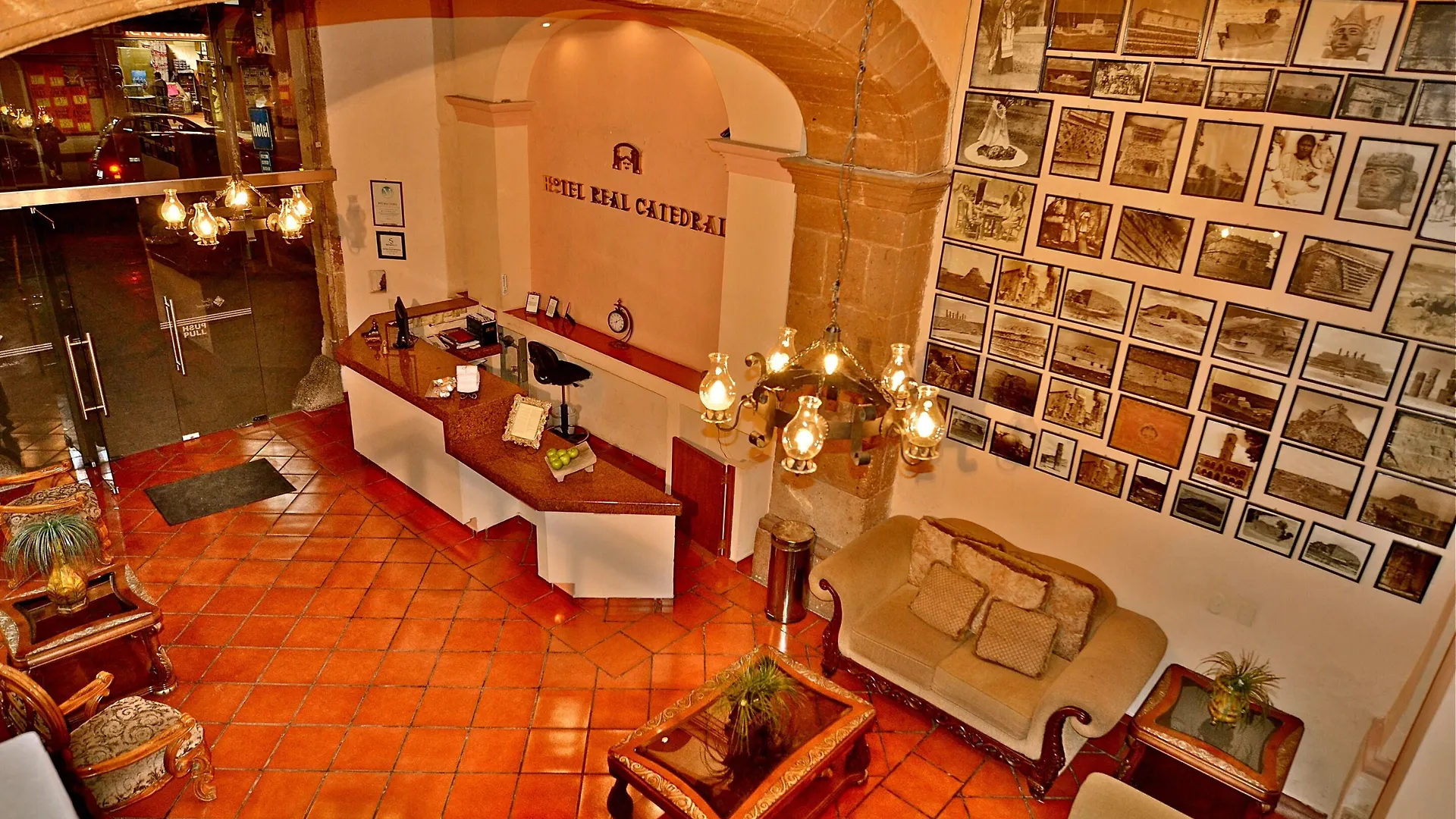
1. Hotel Real Catedral
Show on map


Hurry – almost gone at this price!
fromUS$ 35
-
2. Las Avenidas
Show on map


Just a few rooms left at the best rate!
fromUS$ 21
-
3. Hotel Paraiso Real Plus
Show on map


Best price guarantee
fromUS$ 58
-
4. Hotel Plaza Del Sol
Show on map


Best price guarantee
fromUS$ 70
-
5. Cantalagua Inn
Show on map


Just a few rooms left at the best rate!
fromUS$ 119
Best Premium Central Stays
These properties go beyond standard amenities - offering design-forward rooms, spa access, on-site dining at a higher standard, and positioning near Central Mexico's most compelling heritage and natural destinations.
-
6. Holiday Inn Orizaba By Ihg
Show on map


Best price guarantee
fromUS$ 64
-
7. Hotel El Jaguar
Show on map


Rooms filling fast – secure the best rate!
fromUS$ 50
-
8. Cinco Rodavento
Show on map


Hurry – almost gone at this price!
fromUS$ 187
-
4. Hotel La Posada Del Valle (Adults Only)
Show on map


Just a few rooms left at the best rate!
fromUS$ 77
-
5. Amomoxtli
Show on map


Best price guarantee
fromUS$ 168
-
11. Anticavilla Hotel Restaurante & Spa (Adults Only)
Show on map


Rooms filling fast – secure the best rate!
fromUS$ 191
Smart Travel & Timing Advice for Central Mexico
Central Mexico operates on a strong domestic tourism calendar that directly affects hotel availability and pricing. October through February is peak season across most of the region - the weather is dry and mild, Mexican national holidays cluster in November and December, and towns like Tepoztlán and Valle de Bravo reach full capacity on weekends. Booking during this window with less than 2 weeks' notice significantly reduces your options in smaller towns with limited hotel supply. March through May brings drier, hotter conditions and noticeably lower occupancy, often with discounts of around 20% below peak rates at properties in Cuernavaca, Pachuca, and Orizaba. For archaeological sites like Teotihuacán and Tula, arriving midweek rather than on weekends cuts crowd density sharply and allows for earlier gate access. A minimum stay of 2 nights is recommended for towns like Tepoztlán and Malinalco - their attraction density rewards slower exploration, and one-night stays rarely cover even the highlights efficiently. Last-minute booking works better in Orizaba and Pachuca, which are less leisure-driven and maintain more consistent mid-week availability throughout the year.