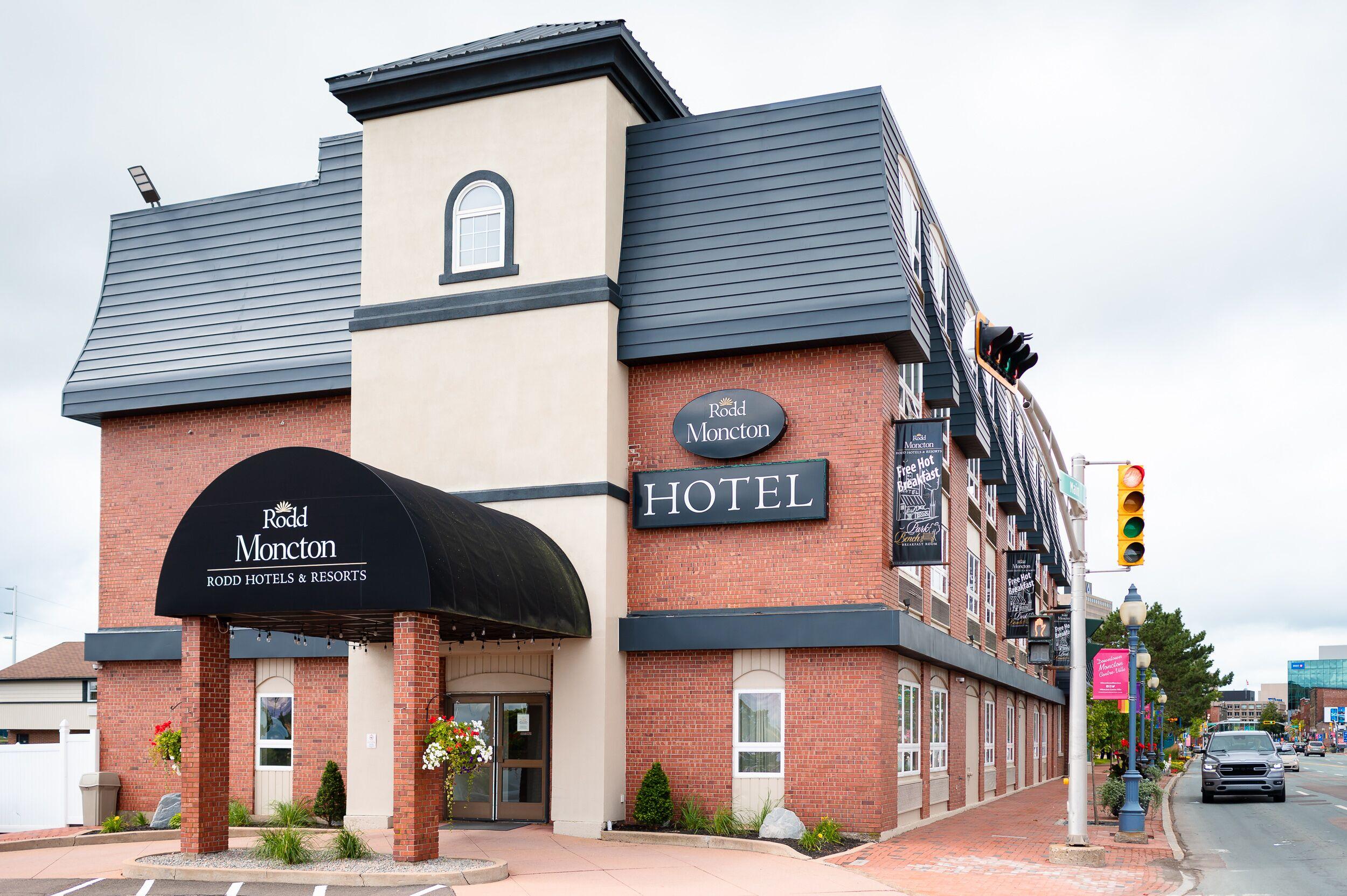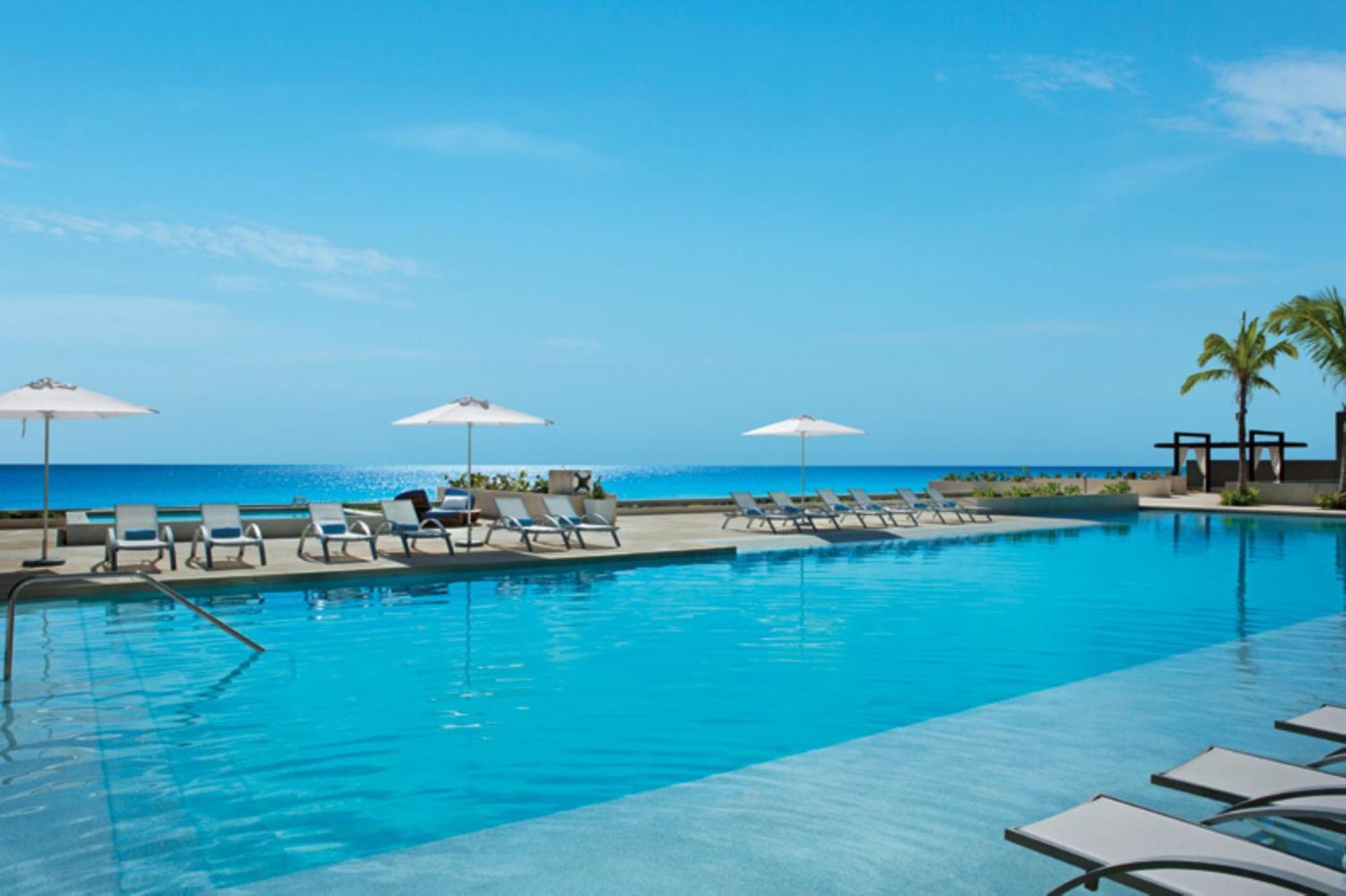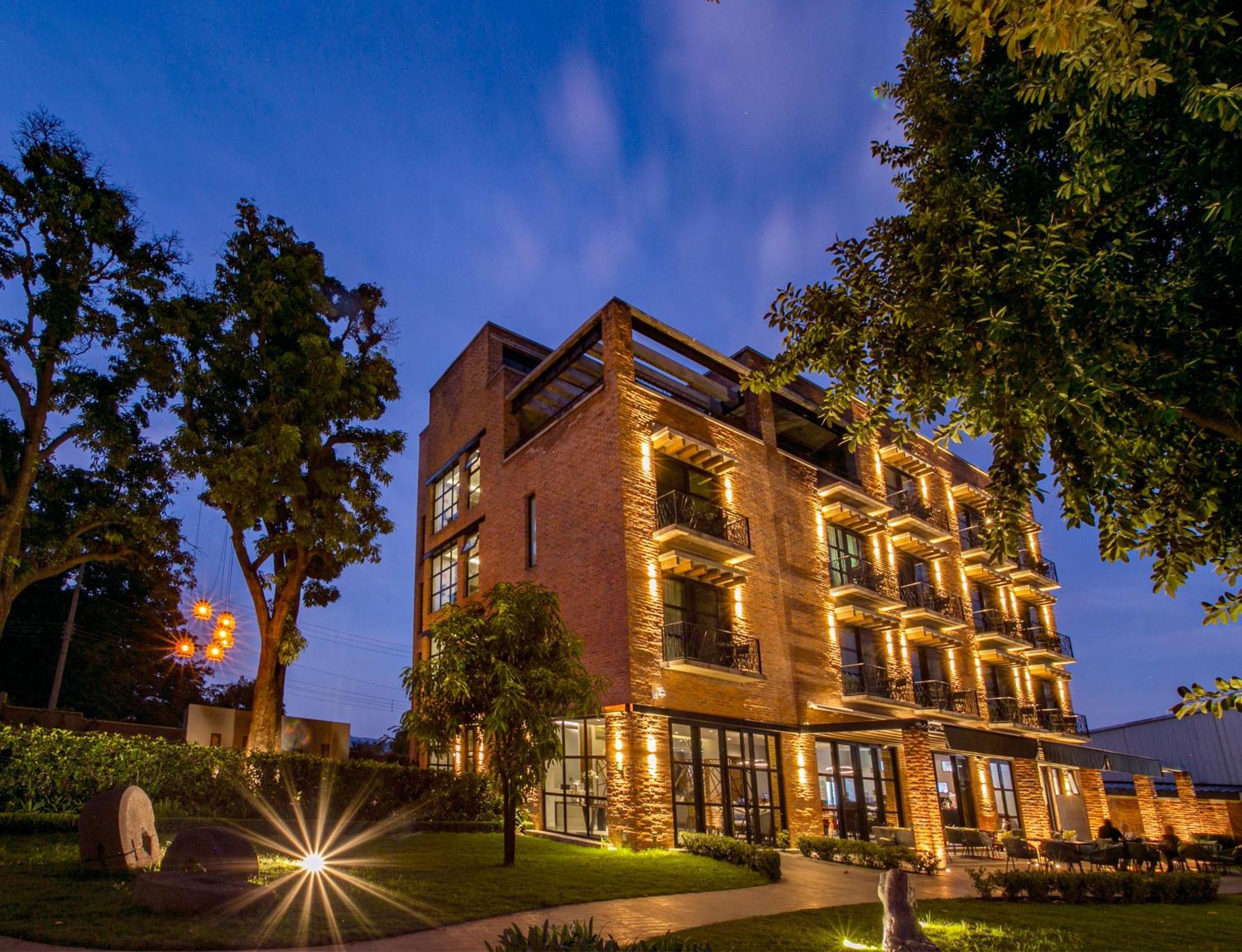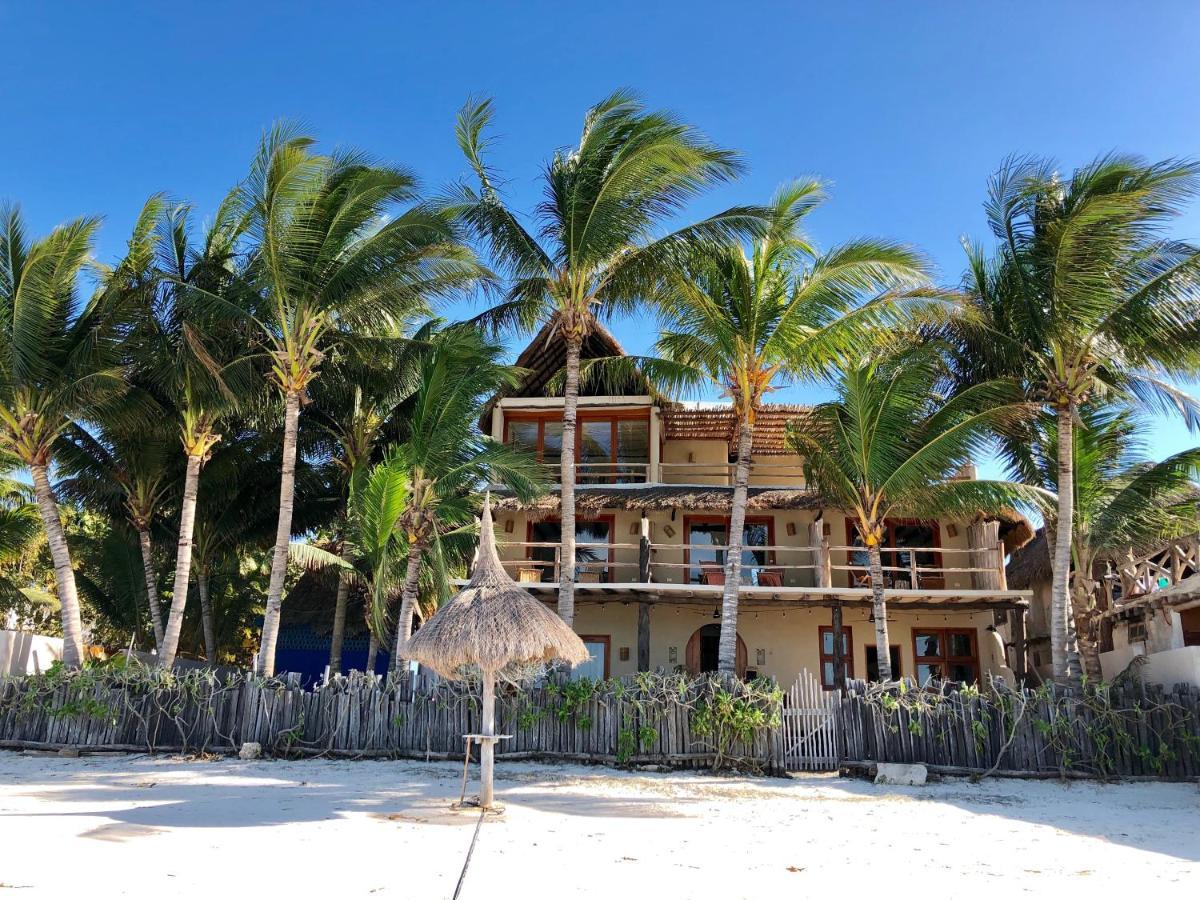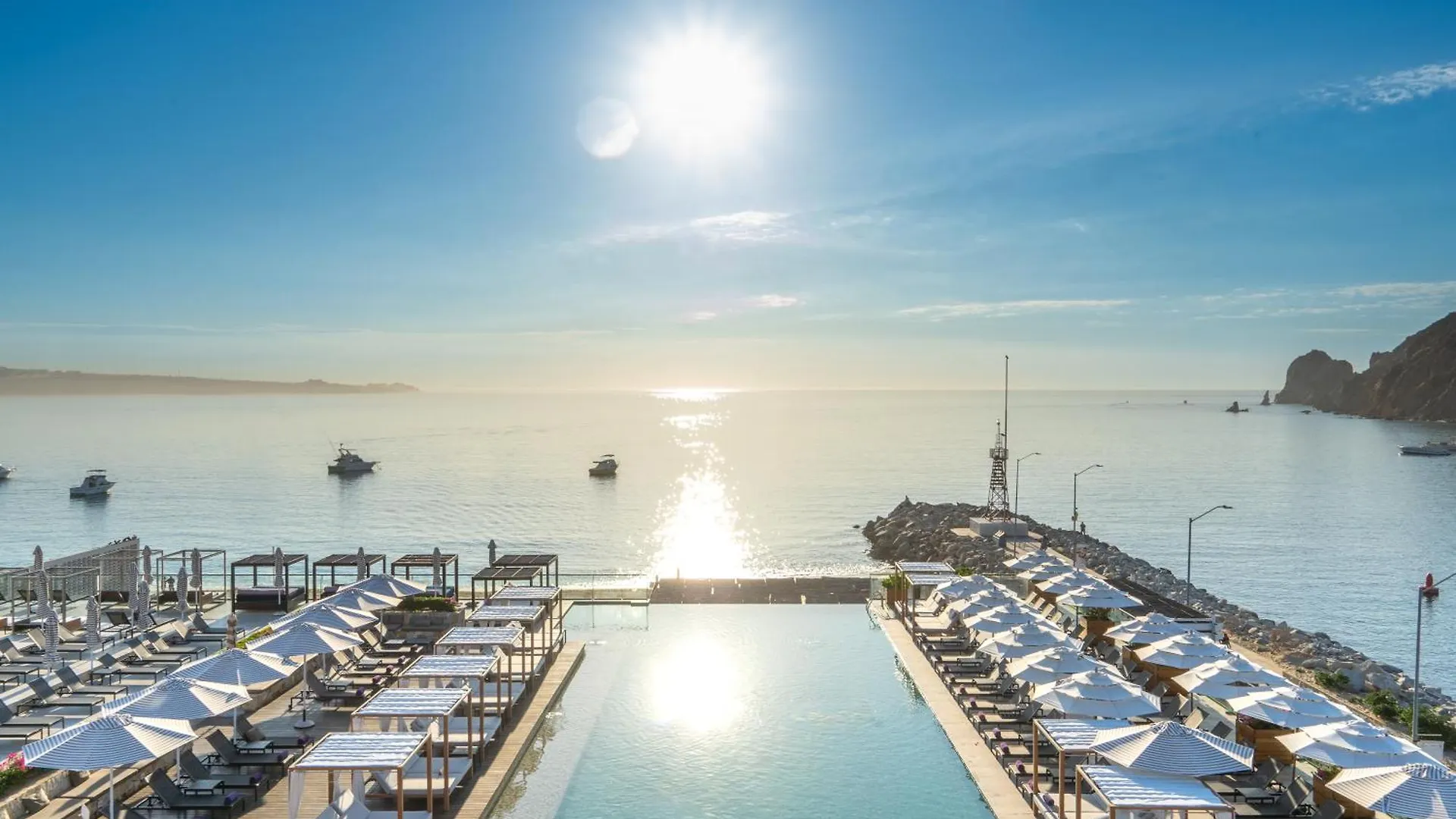
Mexico spans nearly 2 million square kilometers, and where you sleep determines everything - from morning commute times to which ruins, markets, or coastlines you can reach without a car. These 15 centrally located hotels span the country's most distinct destinations, from colonial silver towns and Mayan archaeological zones to Pacific resort cities and high-altitude state capitals. Whether you're navigating Morelia's UNESCO-listed historic center or positioning yourself near Palenque's jungle temples, a well-placed hotel cuts logistics and maximizes your time on the ground.
What It's Like Staying in Mexico
Mexico's geographic and cultural range means no two stays feel the same. The colonial heartland cities - Querétaro, Morelia, Tula - offer walkable historic centers with cathedrals, markets, and local restaurants within minutes of a central hotel. Coastal destinations like Los Cabos and Manzanillo trade that walkability for beachfront access, where proximity to the shore matters more than proximity to a town square. Mexico's domestic tourism peaks heavily during Semana Santa and December holidays, when central hotels in smaller cities like Izamal or Tequisquiapan fill weeks in advance.
Staying centrally in Mexico often means trading space for access - rooms in colonial-center hotels tend to be smaller than resort-style properties, but you walk to everything that matters: markets, ruins, restaurants, and transport hubs.
Pros:
- Direct walking access to historic sites, local markets, and public transport in most major cities
- Significant cost savings versus beach resort zones - central hotels in cities like Morelia or Querétaro often cost around 60% less than comparable coastal properties
- Rich variety of destinations: from Mayan archaeological zones in Chiapas and Yucatán to Chihuahua's mining heritage and Jalisco's tequila trail
Cons:
- Noise from street festivals, church bells, and weekend markets is common in colonial-center hotels, especially from Friday night through Sunday
- Smaller cities like Hidalgo del Parral or Izamal have very limited nightlife and dining variety once the sun goes down
- Airport distances from city centers vary dramatically - Felipe Ángeles International Airport sits 66 km from Tula, making late-night arrivals logistically complex
Why Choose a Centrally Located Hotel in Mexico
A central hotel in Mexico isn't just about convenience - it's a strategic decision that shapes your daily travel rhythm. In cities like Morelia, Querétaro, and Palenque, staying in or near the historic center means you can reach the main archaeological sites, cathedrals, and local markets on foot, without depending on taxis or ride-shares. In resort cities like Los Cabos, "central" shifts to mean proximity to the marina and beach strip rather than a downtown grid. Central hotels in Mexico's colonial cities typically run between MXN 800 and MXN 2,500 per night, making them considerably more budget-friendly than beach resorts without sacrificing access to culture and cuisine.
The trade-off is room size. Colonial-era buildings in cities like Tula or Taxco were not designed with modern hotel layouts in mind, so expect character-rich rooms that may be narrow or irregularly shaped. In contrast, centrally located business hotels in Querétaro or Durango tend to offer standardized modern rooms with reliable WiFi and parking - practical for travelers moving between cities.
Main advantages of centrally located hotels in Mexico:
- Walkable access to Mexico's UNESCO World Heritage sites, local food markets, and bus terminals in most colonial cities
- Better integration with local life - central hotels sit alongside family-run restaurants, artisan shops, and street food stalls that resort zones rarely offer
- Easier multi-city routing: a central hotel in Querétaro, for example, positions you within reach of both Mexico City and the Bajío highlands without long daily drives
Main trade-offs in centrally located hotels across Mexico:
- Street noise and limited parking in tight colonial zones - properties in Taxco or Izamal often have narrow access roads not suited for large vehicles
- Fewer on-site amenities compared to resort hotels: pools, gyms, and spas are the exception rather than the rule in budget-to-mid-range central hotels
- Variable safety depending on the city - while Querétaro and Morelia are considered among Mexico's safest mid-size cities, areas like Villahermosa or Hidalgo del Parral require more awareness after dark
Practical Booking & Area Strategy for Mexico
Mexico's central hotel landscape breaks cleanly into three strategic zones: the colonial Bajío cities (Querétaro, Morelia, Tequila, Tequisquiapan), the southern archaeological corridor (Palenque, Izamal, Villahermosa), and the Pacific and Baja coastal belts (Los Cabos, Manzanillo, Loreto). Each serves a different travel profile. The Bajío region is the strongest base for cultural tourism - Querétaro alone sits within 3 hours of Mexico City, San Miguel de Allende, and Guanajuato, making it one of the most efficient central hubs in the country. For archaeological travelers, Palenque is the non-negotiable base for the Chiapas ruins circuit, with Villahermosa functioning as a transit stop toward Tabasco's Olmec sites at La Venta Park.
Booking windows matter significantly in Mexico's smaller cities. Izamal and Tequisquiapan book out around 6 weeks ahead during long Mexican holiday weekends, while coastal destinations like Los Cabos see rate spikes from late November through March when North American winter travelers dominate. Tula and Hidalgo del Parral attract far less international traffic, meaning last-minute rates are often available - but dining and activity options are genuinely limited compared to larger destinations. For first-time visitors covering multiple regions, anchoring in Querétaro for the Bajío, Palenque for the south, and Los Cabos for Baja gives the best balance of access, logistics, and variety.
Coastal & Resort Central Hotels
These properties position you directly on or near Mexico's Pacific and Baja coastlines, where beach access, marina proximity, and all-inclusive convenience define the stay rather than colonial walkability.
-
1. Breathless Cabo San Lucas - Adults Only
Show on map


 Check-infrom 15:00 until 23:59Check-outuntil 12:00
Best price guarantee
fromMXN 5715
-
2. Barcelo Karmina
Show on map


 Check-infrom 15:00 until 23:59Check-outuntil 12:00
Rooms filling fast – secure the best rate!
fromMXN 1529
-
3. Hotel Angra
Show on map


 Check-infrom 15:00 until 20:00Check-outuntil 12:00
Just a few rooms left at the best rate!
fromMXN 903
Colonial Bajío & Highlands Central Hotels
The Bajío region and Mexico's central highlands concentrate the country's densest collection of UNESCO World Heritage cities, tequila-producing towns, and colonial architecture. These hotels place you directly in or near those historic centers, with walking access to the sites that define this part of Mexico.
-
1. Hotel & Spa Mansion Solis By Hotsson
Show on map


 Check-infrom 15:00 until 22:00Check-outuntil 12:00
Just a few rooms left at the best rate!
fromMXN 3891
-
2. Gamma Queretaro
Show on map


 Check-infrom 15:00 until 23:59Check-outuntil 12:00
Hurry – almost gone at this price!
fromMXN 1372
-
3. Matices Hotel De Barricas
Show on map


 Check-infrom 15:00 until 21:00Check-outuntil 11:00
Best price guarantee
fromMXN 4394
-
7. Hotel Boutique La Granja
Show on map


 Check-infrom 15:00 until 23:59Check-outuntil 12:00
Best price guarantee
fromMXN 2258
-
5. Hotel Real Catedral
Show on map


 Check-infrom 14:30 until 23:30Check-outuntil 12:00
Best price guarantee
fromMXN 608
-
9. Hotel Mi Casita
Show on map


 Check-infrom 15:00 until 22:00Check-outfrom 09:00 until 12:00
Just a few rooms left at the best rate!
fromMXN 1216
Northern Mexico & Southern Corridor Central Hotels
From Chihuahua's mining heritage cities and Durango's Sierra Madre gateway to Tabasco's Olmec archaeological zone and Chiapas's Mayan ruins, these hotels serve travelers crossing Mexico's less-touristed northern and southern corridors - where central positioning relative to the local bus terminal or archaeological site is the primary booking criterion.
-
1. Hotel La Mina Parral
Show on map


 Check-infrom 15:00 until 23:59Check-outuntil 12:00
Hurry – almost gone at this price!
fromMXN 886
-
2. Casa Grande Delicias
Show on map


 Check-infrom 15:00 until 23:59Check-outuntil 12:00
Rooms filling fast – secure the best rate!
fromMXN 1303
-
3. Hampton Inn By Hilton Durango
Show on map


 Check-infrom 15:00 until 23:59Check-outuntil 12:00
Best price guarantee
fromMXN 1407
-
4. Hotel Olmeca Plaza
Show on map


 Check-infrom 15:00 until 23:59Check-outuntil 12:00
Rooms filling fast – secure the best rate!
fromMXN 834
-
5. Hotel Maya Rue
Show on map


 Check-infrom 15:00 until 23:00Check-outuntil 12:00
Hurry – almost gone at this price!
fromMXN 591
-
6. Hotel San Miguel Arcangel
Show on map


 Check-infrom 15:00 until 17:00Check-outuntil 12:00
Best price guarantee
fromMXN 1077
Smart Travel & Timing Advice for Mexico
Mexico's peak travel season runs from mid-December through early January and again during Semana Santa (Easter week), when domestic and international tourism converges simultaneously. Central hotels in colonial cities like Morelia, Querétaro, and Taxco see rates spike around 40% during these windows, and properties in small towns like Izamal or Tequisquiapan sell out entirely weeks in advance. The shoulder months of October-November and February-March offer the strongest combination of manageable crowds, stable weather in the highlands, and competitive hotel rates - particularly for the Bajío region and Chiapas.
For coastal destinations, the calculus is different. Los Cabos and Manzanillo peak from November through March when temperatures in the highlands drop; booking Breathless Cabo or Barcelo Karmina at least 8 weeks ahead during this window is standard practice for securing preferred room categories at non-inflated rates. Palenque and Villahermosa are best visited between November and February, avoiding the intense humidity and rainfall of the May-to-October wet season in Tabasco and Chiapas. For northern Mexico - Durango, Chihuahua, Hidalgo del Parral - summers are hot and dry, winters are cold, and spring (March-May) is the most comfortable window for exploring on foot. Most central hotel stays in Mexico work best over 2 nights minimum: one full day for acclimatization and primary site visits, one day for secondary exploration before moving to the next destination.