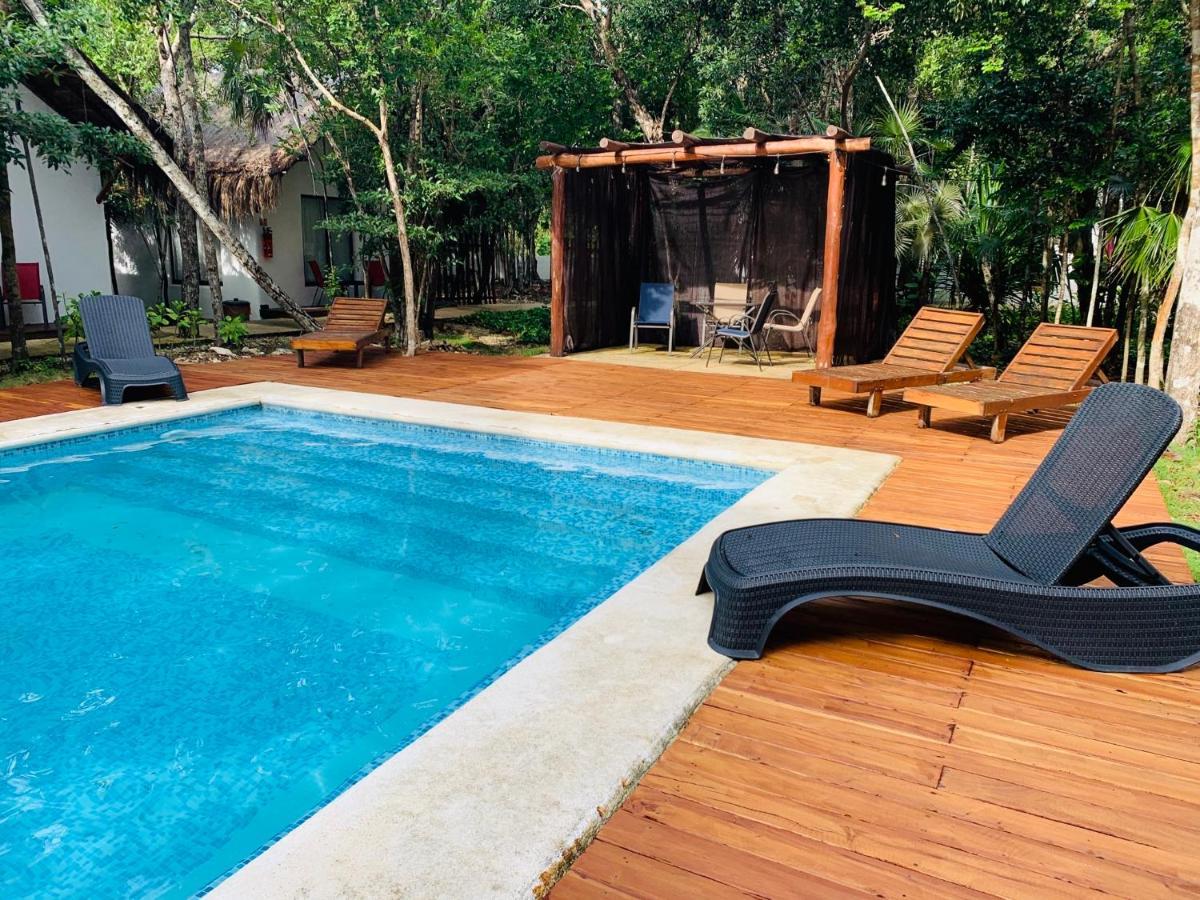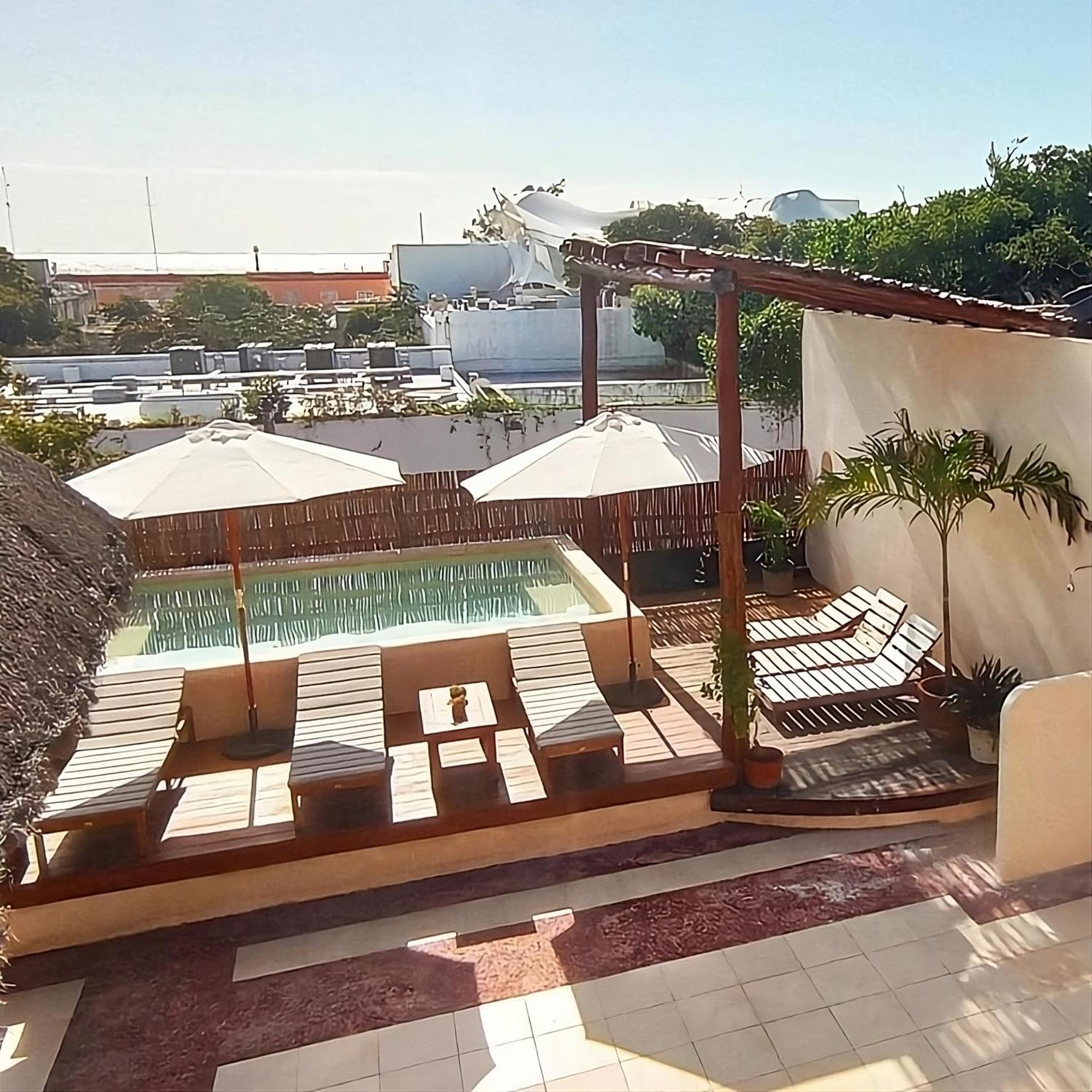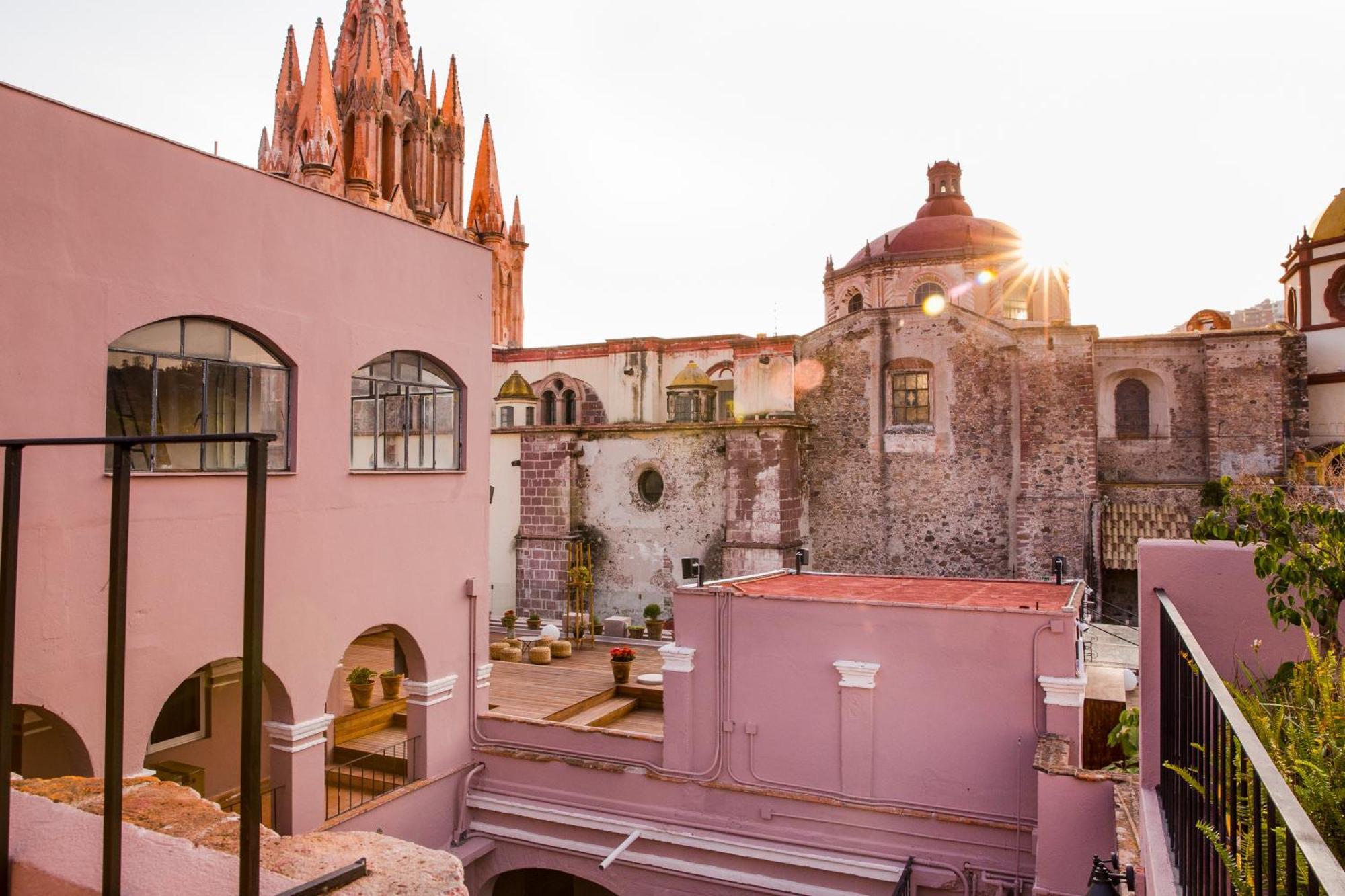
Riviera Maya stretches over 130 kilometers of Caribbean coastline between Cancún and Tulum, packing in archaeological sites, cenotes, coral reefs, and jungle within a single corridor. Choosing a centrally located hotel here means trading resort isolation for proximity to local markets, beach clubs, bus connections, and the area's most visited towns. This guide breaks down the most strategically positioned hotels across Tulum, Playa del Carmen, Puerto Morelos, Akumal, and Cozumel - so you can book based on logistics, not brochure language.
What It's Like Staying in Riviera Maya
Riviera Maya is not a single destination - it's a 130-kilometer coastal strip where the rhythm shifts dramatically depending on which town you base yourself in. Tulum draws a design-conscious crowd seeking cenotes and ruins; Playa del Carmen runs on a walkable grid with the pedestrian 5th Avenue as its spine; Puerto Morelos operates at a quieter pace with a fishing village feel just 25 km south of Cancún airport. Transport between towns runs primarily on ADO buses or colectivos (shared vans), which are frequent but can add 45 minutes to an hour between key stops. Cenotes, Mayan ruins, and reef snorkeling sites are typically reachable within a short drive, but access without a car or organized tour requires planning. Staying centrally - meaning within or adjacent to town centers - eliminates taxi dependency for daily errands, dining, and beach access.
Crowds peak between December and April, when prices in popular zones like Tulum Pueblo and Playa del Carmen 5th Avenue rise sharply. Travelers who prefer fewer logistics and direct access to restaurants and nightlife benefit most from central positioning. Those seeking full resort amenities and beachfront privacy may prefer all-inclusive properties further from town cores.
Pros:
- Walking access to restaurants, cenotes tours, and local transport hubs without needing a taxi for daily movement
- Central hotels typically run around 40% cheaper per night than beachfront resort properties in the same towns
- Strong colectivo and ADO bus connections from central town positions allow day trips to Cobá, Tulum ruins, and Playa del Carmen within 90 minutes
Cons:
- Central locations in Tulum Pueblo and Playa del Carmen can generate street noise until midnight, especially on weekends
- Beach access from central town hotels often requires a 10-20 minute walk or a short taxi ride, unlike beachfront resorts
- Parking in central Playa del Carmen and Tulum is limited, making car rentals more logistically complicated from in-town stays
Why Choose Central Hotels in Riviera Maya
Central hotels in Riviera Maya serve a fundamentally different traveler than the beachfront all-inclusive corridor. They position guests inside the functional rhythm of each town - steps from colectivo stops, local taquerías, dive shops, and cenote operators - rather than sealed inside a resort bubble. Nightly rates at central properties typically run between $30 and $120 USD, a significant contrast to the $200-$500+ range common at beachfront resorts in Tulum and Playa del Carmen. Room sizes in these properties tend to be more compact, particularly in hostel-style social hotels, but private room options with ensuite bathrooms are widely available and often include air conditioning and free WiFi as standard. The key trade-off is beach proximity: central hotels rarely sit on the sand, meaning guests who prioritize waking up to direct Caribbean access will need to factor in a short commute.
What distinguishes central hotels in Riviera Maya specifically is the variety of micro-locations available along the coast. A central hotel in Playa del Carmen places you within walking distance of the ferry to Cozumel, 5th Avenue shopping, and Mamitas Beach Club. A central position in Tulum Pueblo puts you near the ADO terminal, local restaurants, and organized cenote tours - all without the premium pricing of Tulum's beachfront hotel zone. For independent travelers, digital nomads, and budget-conscious couples, this category delivers the highest logistical efficiency per dollar spent.
Pros:
- Proximity to ADO bus terminals and colectivo stops makes inter-town day trips easy and inexpensive without renting a car
- Access to local dining, pharmacies, grocery stores, and tour operators on foot - no resort shuttle dependency
- Social hotels in this category often include shared kitchens, rooftop terraces, and organized activities that foster spontaneous travel connections
Cons:
- No direct beach access - most central properties require a bike ride, taxi, or 15-20 minute walk to reach the Caribbean
- Shared amenities in hostel-format central hotels can mean crowded pools and common areas during high season
- Limited on-site spa and concierge infrastructure compared to resort-category properties in the same region
Practical Booking & Area Strategy
Riviera Maya's towns each serve a different traveler profile, and choosing the right base changes the entire experience. Playa del Carmen is the most logistically central town on the strip - from here, ADO buses reach Tulum in around 90 minutes and Cancún airport in under an hour, making it the strongest hub for travelers planning multiple day trips. Puerto Morelos, positioned just 25 km south of Cancún airport, is the quietest option, with a small main square, a reef directly offshore, and far less foot traffic than Playa or Tulum. Tulum splits between the pueblo (town) and the hotel zone: the pueblo offers cheaper, more connected stays, while the hotel zone commands premium prices for beachfront access. Akumal, a small bay town between Playa del Carmen and Tulum, is notable for sea turtle snorkeling directly from the beach - a detail that justifies a dedicated stay rather than a day trip. Cozumel operates as an island destination entirely, reachable by ferry from Playa del Carmen in around 45 minutes, and suits travelers prioritizing world-class reef diving over mainland movement.
For peak season travel between December and March, booking central hotels at least 6 weeks in advance is strongly recommended - inventory in well-reviewed properties across Tulum and Playa del Carmen sells out quickly. Travelers visiting in May through October benefit from lower nightly rates, fewer crowds at cenotes and ruins, and easier same-week availability, though the hurricane season runs through November and can occasionally disrupt coastal areas. The Tulum Archaeological Site opens at 8 AM and sees the heaviest crowds by 10 AM, so staying centrally in Tulum Pueblo allows an early start before tour groups arrive.
Best Value Central Hotels
These properties deliver strong logistical positioning and solid amenities in Tulum, Playa del Carmen, and Puerto Morelos - at rates that leave budget for cenote tours, diving, and local dining.
-
1. Mayan Monkey Tulum - Social Hotel (Adults Only)
Show on map


Just a few rooms left at the best rate!
fromUS$ 12
-
2. 3B Wellness Hotel & Hostel Adults Only
Show on map


Just a few rooms left at the best rate!
fromUS$ 8
-
3. Abbey Del Sol - Tropical Escape Near Beach In Puerto Morelos
Show on map


Hurry – almost gone at this price!
fromUS$ 97
Best Premium & Distinctive Stays
These properties offer a step up in privacy, setting, or unique positioning - from a beachfront bar in Akumal to a gated architectural villa in Tulum and a dive-town base in Cozumel.
-
1. Del Sol Beachfront
Show on map


Hurry – almost gone at this price!
fromUS$ 110
-
2. Casa Areca, Awarded Architectural Villa Located In A Secured Gated Community, With Concierge Services
Show on map


Rooms filling fast – secure the best rate!
fromUS$ 1827
-
6. Safari Inn
Show on map


Rooms filling fast – secure the best rate!
fromUS$ 50
Smart Travel & Timing Advice for Riviera Maya
Riviera Maya's peak season runs December through April, driven by North American and European winter escapes. During this window, central hotels in Playa del Carmen and Tulum sell out weeks in advance, and nightly rates at well-reviewed properties can rise by around 50% compared to shoulder season. January and February are the most competitive months for availability - travelers targeting these dates should book at least 6 weeks ahead to secure preferred properties at standard rates. The shoulder season of May through early July offers the best balance: lower prices, manageable heat, and crowds at Tulum ruins and cenotes that are noticeably thinner than February peaks.
Hurricane season runs June through November, with the highest activity in September and October. While direct hits are uncommon, tropical storms can bring rain that limits cenote and reef visibility for days at a time - a real consideration for dive-focused itineraries in Cozumel or snorkeling stays in Akumal. A minimum of 4 nights per base town is recommended for Riviera Maya to justify the logistics of settling in and exploring the surrounding area - splitting fewer nights across multiple towns creates more transit time than actual experience. Travelers visiting Tulum should note that the archaeological site's best light and lowest crowds consistently occur before 9 AM, making a central Tulum Pueblo hotel a logistical advantage over more distant beachfront properties for that specific experience.