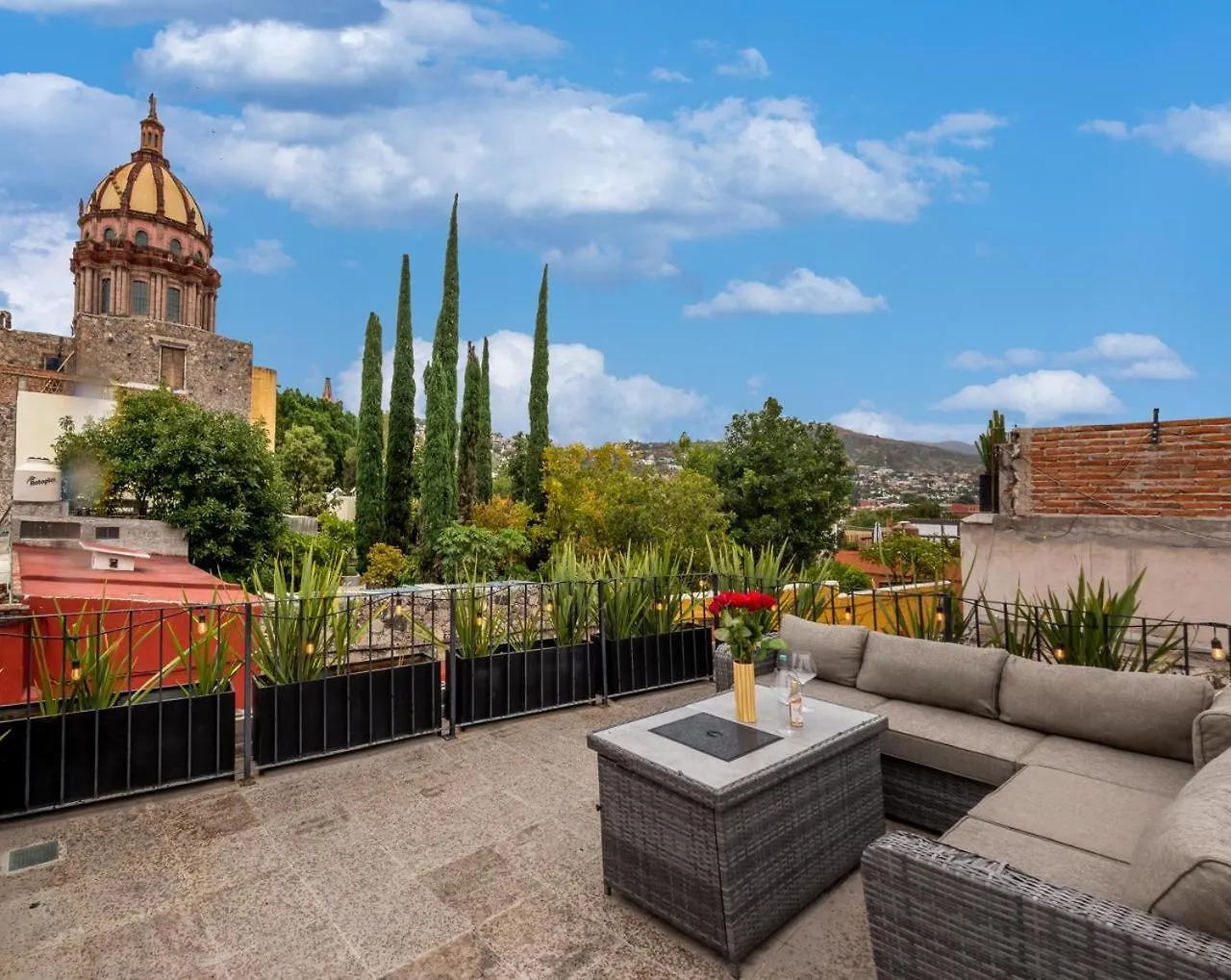
El-Bajio - Mexico's highland heartland spanning Guanajuato, Querétaro, San Miguel de Allende, León, and Aguascalientes - is one of the country's most strategically located travel corridors. Staying in a centrally located hotel here means direct access to UNESCO-listed colonial centers, major convention venues, and cross-regional road connections without relying on taxis for every move. This guide compares 7 central hotels across El-Bajio's key cities to help you book the right property for your trip.
What It's Like Staying in El-Bajio
El-Bajio is not a single city - it's a network of distinct colonial cities connected by the MEX-45 and MEX-57 highways, each with its own pace and visitor profile. San Miguel de Allende draws international retirees and cultural tourists, Querétaro pulls business travelers and weekend escapes from Mexico City (around 200 km away), while León operates as an industrial and commercial hub with one of Mexico's busiest domestic airports. Staying centrally in any of these cities cuts commute time dramatically, since historic centers are compact but taxis and rideshares from peripheral areas add up quickly. Crowds peak sharply during Semana Santa and the Cervantino Festival in Guanajuato, when central hotels book out weeks in advance.
Pros:
- Walking access to historic centers, markets, and cultural monuments in every El-Bajio city
- Strong highway and airport connectivity - Bajío International Airport (BJX) serves León directly, with Querétaro's airport covering the eastern corridor
- Rich mix of colonial architecture, gastronomy, and active festival culture year-round
Cons:
- Central zones in San Miguel de Allende have steep cobblestone streets that make mobility difficult with heavy luggage or limited mobility
- Noise levels spike on weekends in Guanajuato's historic core due to callejoneadas (street bands)
- Inter-city distances require a car or long bus rides - there is no regional rail network
Why Choose a Central Hotel in El-Bajio
Central hotels in El-Bajio span from budget colonial guesthouses to 5-star boutique properties, but what they share is proximity to the civic and cultural anchors that define each city. In Querétaro, a central hotel puts you within reach of the UNESCO World Heritage Zone and the Corregidora Stadium without a car. In León, central positioning means the Poliforum Convention Centre and Plaza del Zapato leather mall are reachable on foot - critical for business and trade fair visitors. Price gaps between central and peripheral hotels in El-Bajio are real but not extreme; expect to pay around 30% more for a central room in San Miguel de Allende compared to outskirts options, with the trade-off being zero transport dependency for sightseeing.
Central hotels here tend to occupy historic buildings - 19th-century mansions, converted haciendas - which means charm is high but amenities like elevators or large gyms are sometimes absent by preservation law.
Pros:
- Immediate access to El-Bajio's colonial plazas, churches, and gastronomic districts on foot
- Higher concentration of full-service properties with restaurants, pools, and concierge support
- Better resale value for short stays - 2 nights in a central hotel replaces a full day of commuting
Cons:
- Historic building constraints mean some properties lack elevators, large rooms, or modern gym facilities
- Weekend noise from street culture (festivals, markets, live music) is common in Guanajuato and San Miguel de Allende
- Parking in colonial centers is limited and often requires a paid lot or valet
Practical Booking & Area Strategy in El-Bajio
El-Bajio's cities are not interchangeable - where you base yourself defines your entire trip. Querétaro is the most practical base for first-time visitors: its historic center is compact, safe at night, walkable, and served by a well-connected international airport just 30 km away. San Miguel de Allende is better for culturally focused stays of at least 3 nights, given that its cobblestone center rewards slow exploration and the city has limited nightlife outside its boutique dining scene. León suits business travelers and those attending trade fairs at the Poliforum, with Bajío International Airport just 25 km from the city center. Guanajuato's tunnel road system makes navigation confusing for first arrivals by car - arriving by bus or with a driver is strongly advisable. Book at least 6 weeks ahead for stays during the Festival Internacional Cervantino (October) or Semana Santa, when central hotel availability drops to near zero across all El-Bajio cities. Top draws across the region include the Alhóndiga de Granaditas museum in Guanajuato, the aqueduct and Convento de la Cruz in Querétaro, and the Parroquia de San Miguel Arcángel in San Miguel de Allende.
Best Value Central Hotels in El-Bajio
These properties offer strong central positioning across El-Bajio's key cities at accessible price points, with facilities that go beyond the basics without tipping into luxury pricing.
-
1. Casa Yuca Hotel
Show on map


 Check-infrom 15:00 until 23:59Check-outuntil 12:00
Just a few rooms left at the best rate!
fromMXN 1251
-
2. Hotel Hidalgo
Show on map


 Check-infrom 15:00 until 23:59Check-outuntil 12:00
Just a few rooms left at the best rate!
fromMXN 1094
-
3. Gamma Queretaro
Show on map


 Check-infrom 15:00 until 23:59Check-outuntil 12:00
Just a few rooms left at the best rate!
fromMXN 1372
-
4. Hotel Real Plaza Aguascalientes
Show on map


 Check-infrom 14:00 until 22:00Check-outfrom 07:00 until 12:00
Hurry – almost gone at this price!
fromMXN 625
-
5. Holiday Inn Leon By Ihg
Show on map


 Check-infrom 15:00 until 23:59Check-outuntil 13:00
Hurry – almost gone at this price!
fromMXN 1181
Best Premium Central Hotels in El-Bajio
These properties offer luxury-tier positioning in El-Bajio's most desirable colonial centers, combining historic character with high-end amenities and boutique service standards.
-
1. La Valise San Miguel De Allende, Member Of Small Luxury Hotels
Show on map


 Check-infrom 15:00 until 23:59Check-outuntil 12:00
Rooms filling fast – secure the best rate!
fromMXN 5819
-
7. Villa Maria Cristina Hotel
Show on map


 Check-infrom 15:00 until 20:00Check-outfrom 11:00 until 12:00
Rooms filling fast – secure the best rate!
fromMXN 2501
Smart Travel & Timing Advice for El-Bajio
El-Bajio has two distinct demand peaks that directly affect central hotel availability and pricing. The Festival Internacional Cervantino in Guanajuato (held every October) draws over 100,000 visitors over three weeks, filling central hotels within days of the program announcement - booking at least 8 weeks ahead is non-negotiable for that window. Semana Santa (Easter week) creates a secondary peak across all El-Bajio cities, especially San Miguel de Allende, where international visitors combine with domestic tourists for one of Mexico's most photographed religious processions. The quietest and most cost-effective window is January through early March, when post-holiday demand drops, temperatures in the highlands are mild (Guanajuato sits at 2,000 metres elevation), and central hotels frequently offer promotional rates. For most itineraries, 3 nights per city is the practical minimum - enough to cover the main cultural landmarks on foot without feeling rushed. Last-minute booking works in León for non-fair periods, but San Miguel de Allende and Guanajuato central properties rarely discount close to arrival dates due to consistent international demand.